
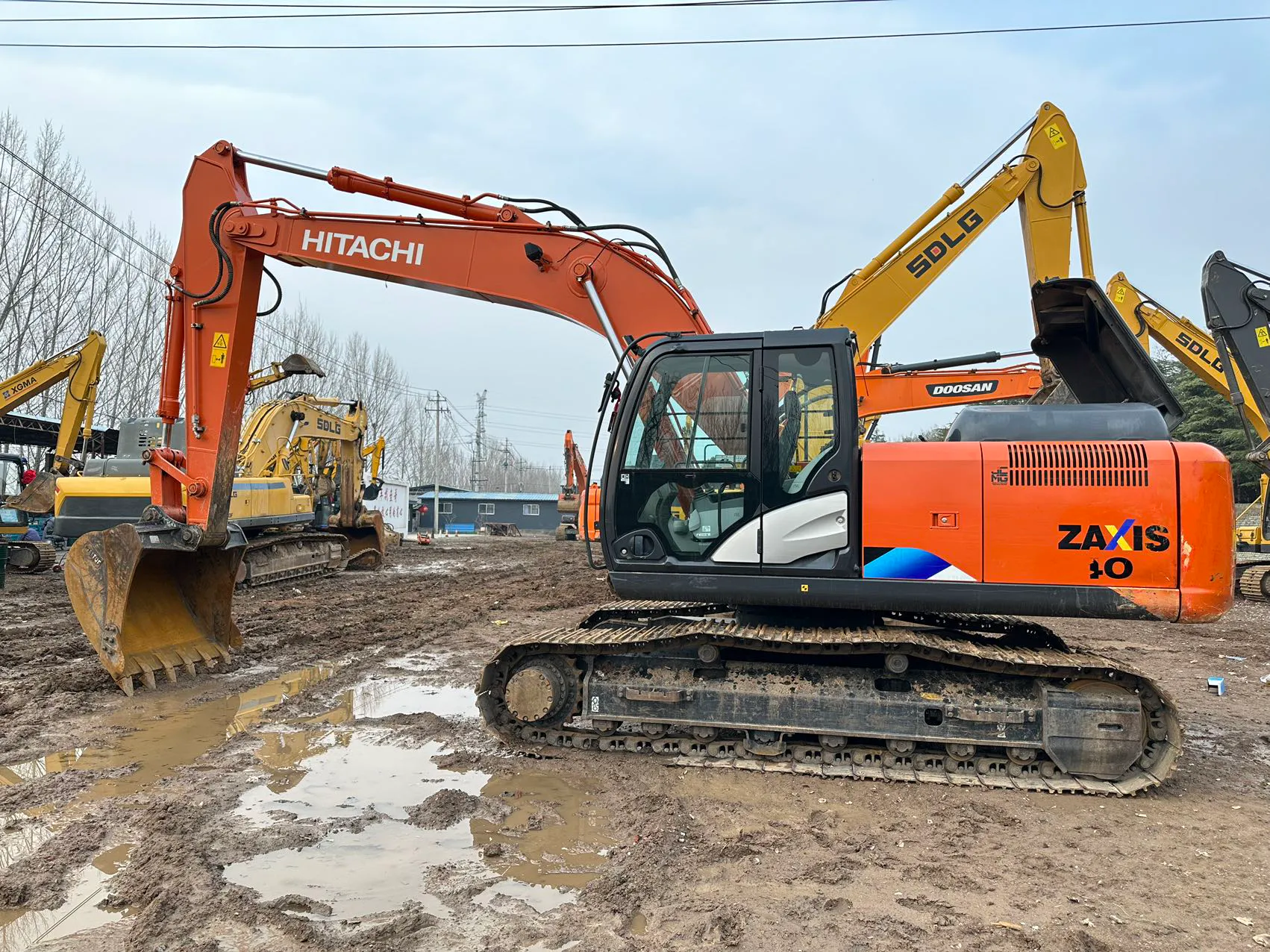
Used Excavator Fuel Consumption: Compare Cost per Job
Assess used excavator fuel consumption with recorded work, fuel and output. Compare litres per hour and per completed task without inventing a machine's fuel rate.
Read guide ↗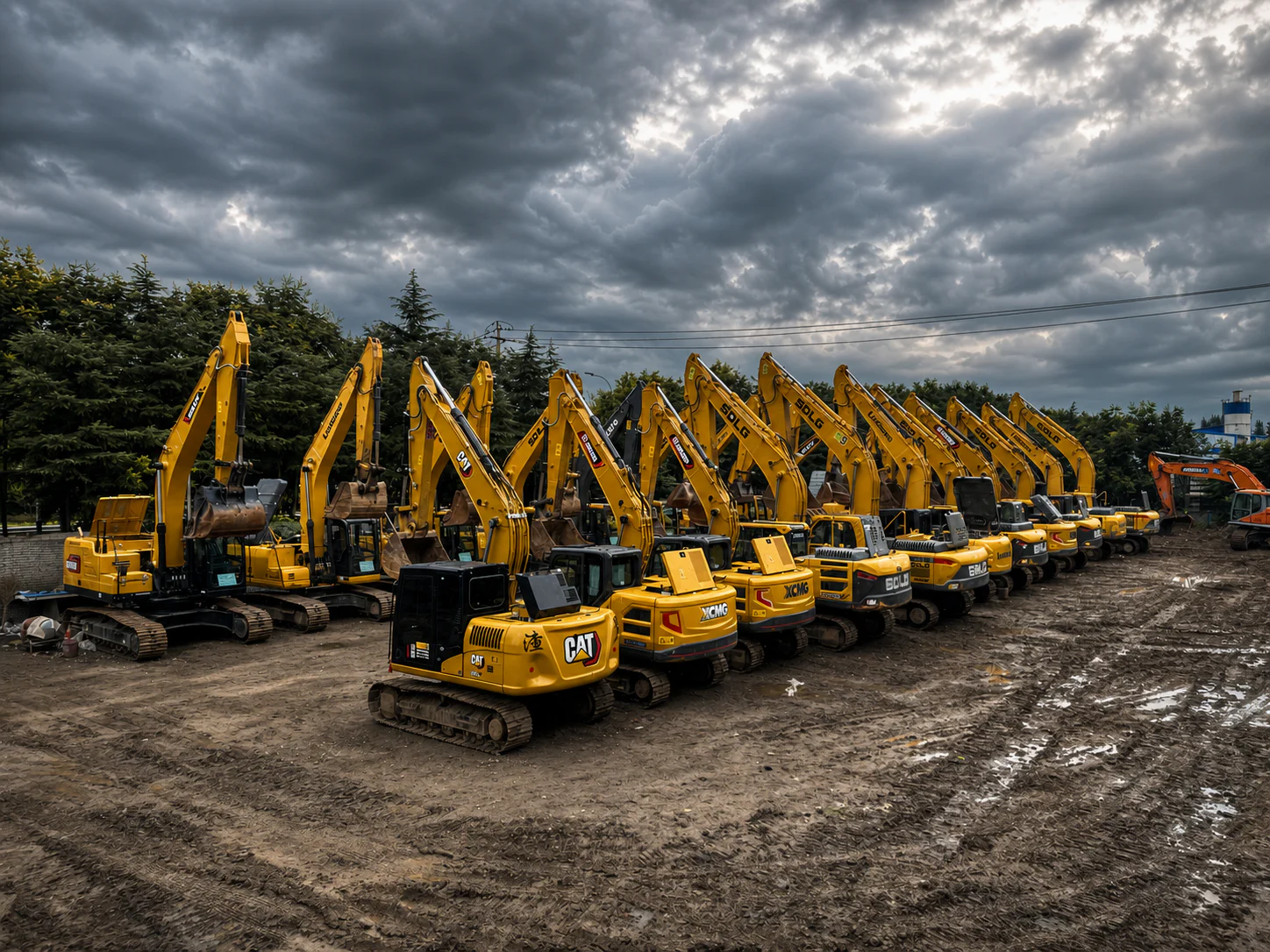
Buyer knowledge center
Evidence-led answers for selecting the right machine, judging hours, checking import requirements, planning inspections and preparing international shipment.
These guides organize the questions, evidence and responsibilities that matter before a buyer commits to a specific inventory ID. They intentionally avoid filling in missing machine facts. See how sources and machine claims are handled.
Assess used excavator fuel consumption with recorded work, fuel and output. Compare litres per hour and per completed task without inventing a machine's fuel rate.
Read guide ↗
Compare backhoe loaders and excavators by digging, loading, access and transport. Decide from the work cycle rather than assuming one machine is always larger or better.
Read guide ↗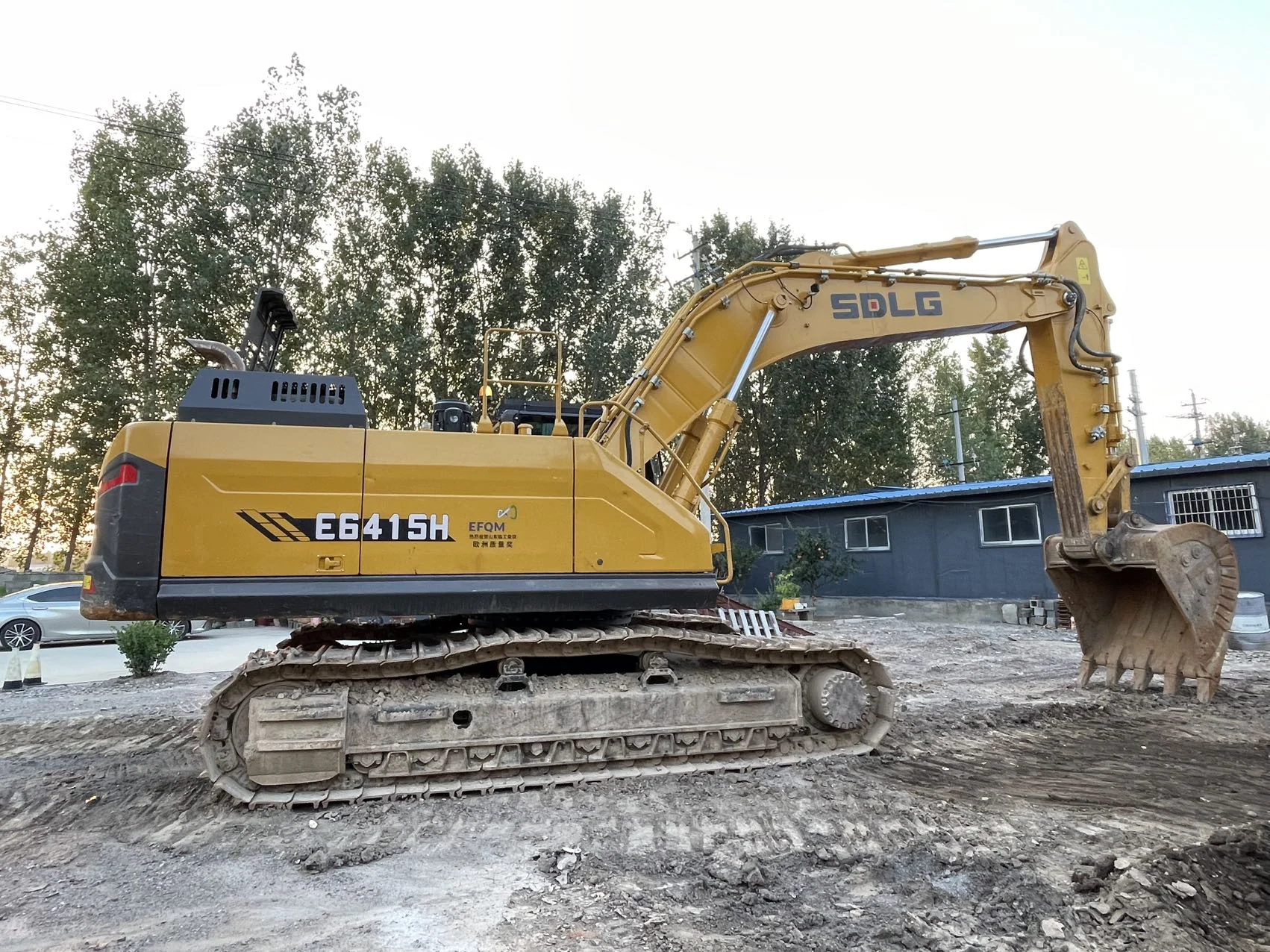
Choose an excavator bucket by material, duty, capacity and attachment compatibility. Check the fitted bucket separately from a manufacturer's standard specification.
Read guide ↗
Compare new and used excavators using delivered cost, repairs, utilisation, support and written terms. Use the same task and ownership period for both offers.
Read guide ↗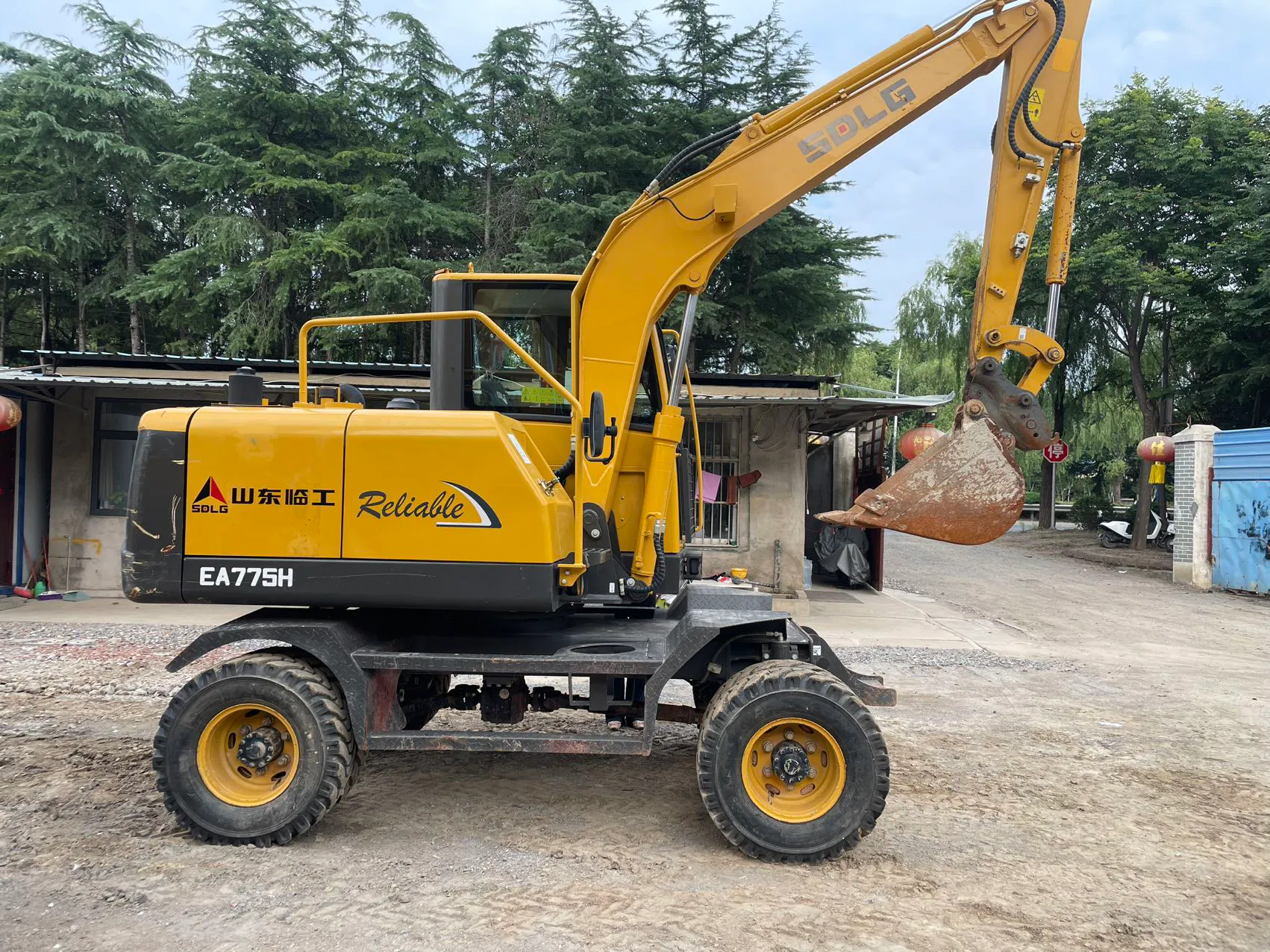
Compare wheeled and tracked excavators by ground conditions, travel, setup and used-machine checks. Build a shortlist around your actual work.
Read guide ↗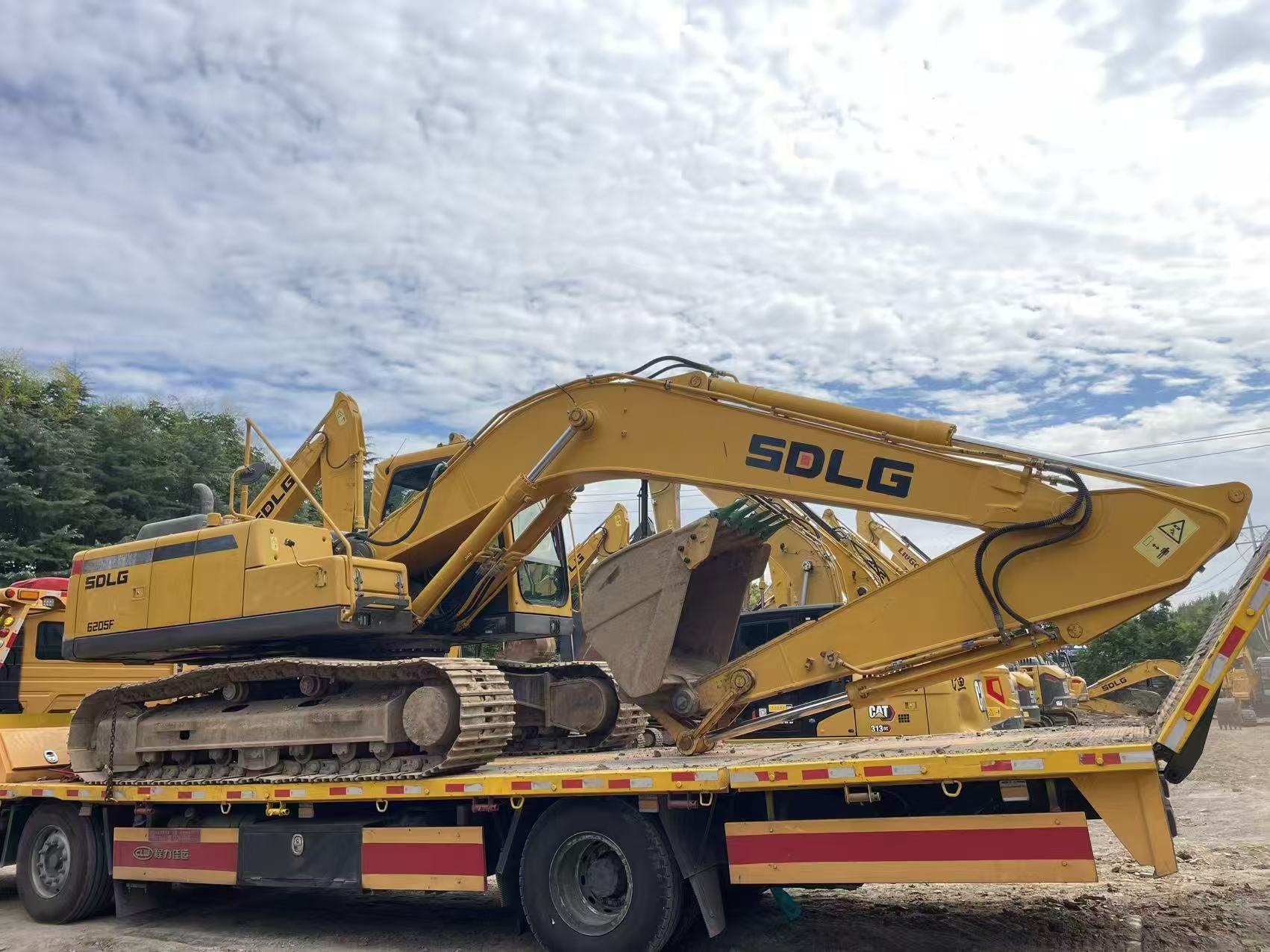
Compare used excavator quotes by configuration, inspection findings, repair scope and included attachments. Use a worksheet before agreeing a price.
Read guide ↗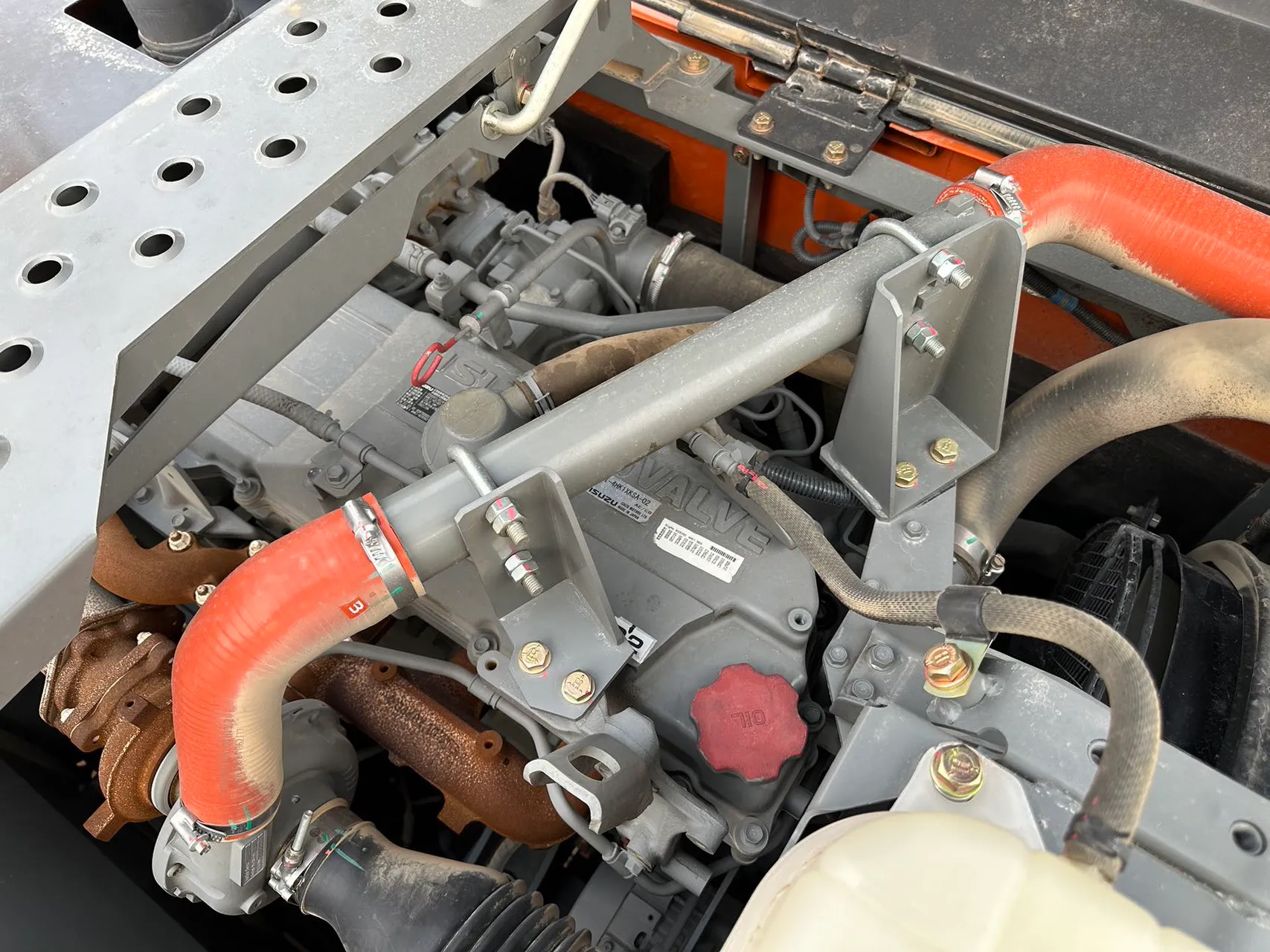
Build a parts inquiry from the excavator identity, installed component details and written fitment confirmation before committing to a used machine or replacement parts.
Read guide ↗
Check a used excavator's attachment fit before purchase: mounting dimensions, hydraulic circuit, controls, tool weight and written installation scope.
Read guide ↗
Plan a useful hydraulic inspection of a used excavator: record test conditions, compare warm operation, investigate faults and agree what must be retested.
Read guide ↗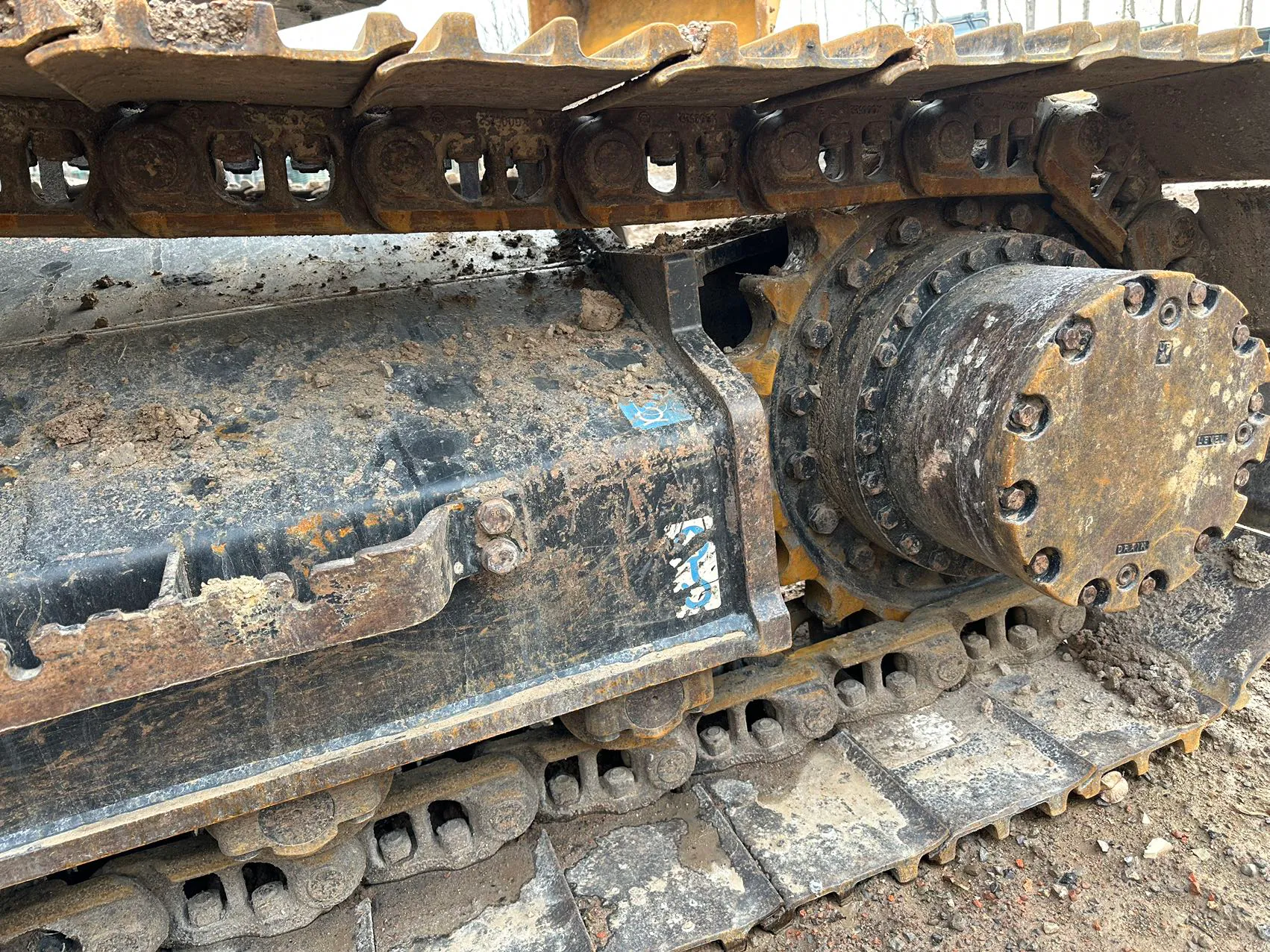
Compare used excavator undercarriages using component measurements, repair records and a written scope, instead of relying on paint or one remaining-life percentage.
Read guide ↗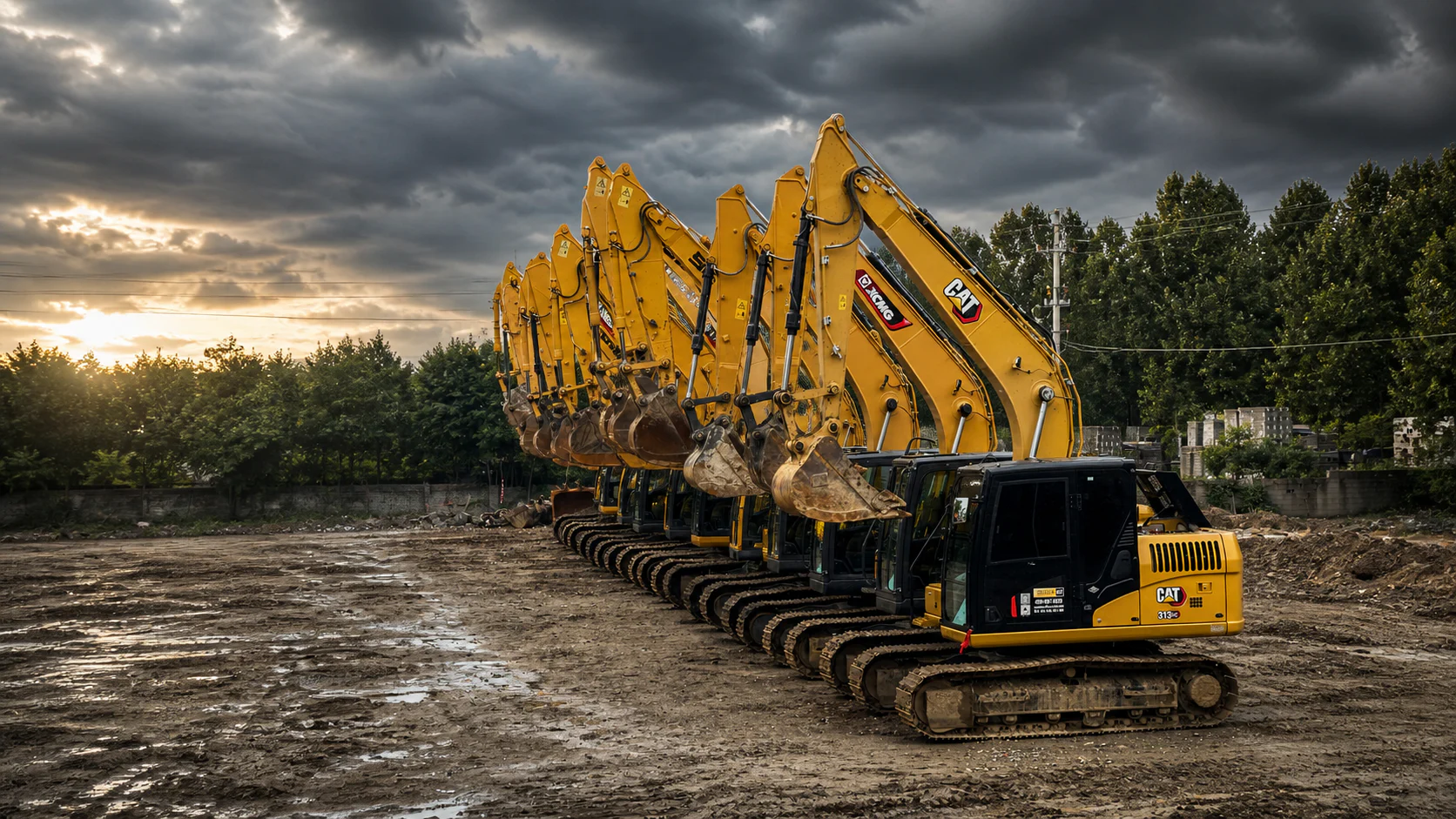
Compare 7 Chinese and 8 international excavator brands, their official product ranges and the used-machine evidence buyers should verify.
Read guide ↗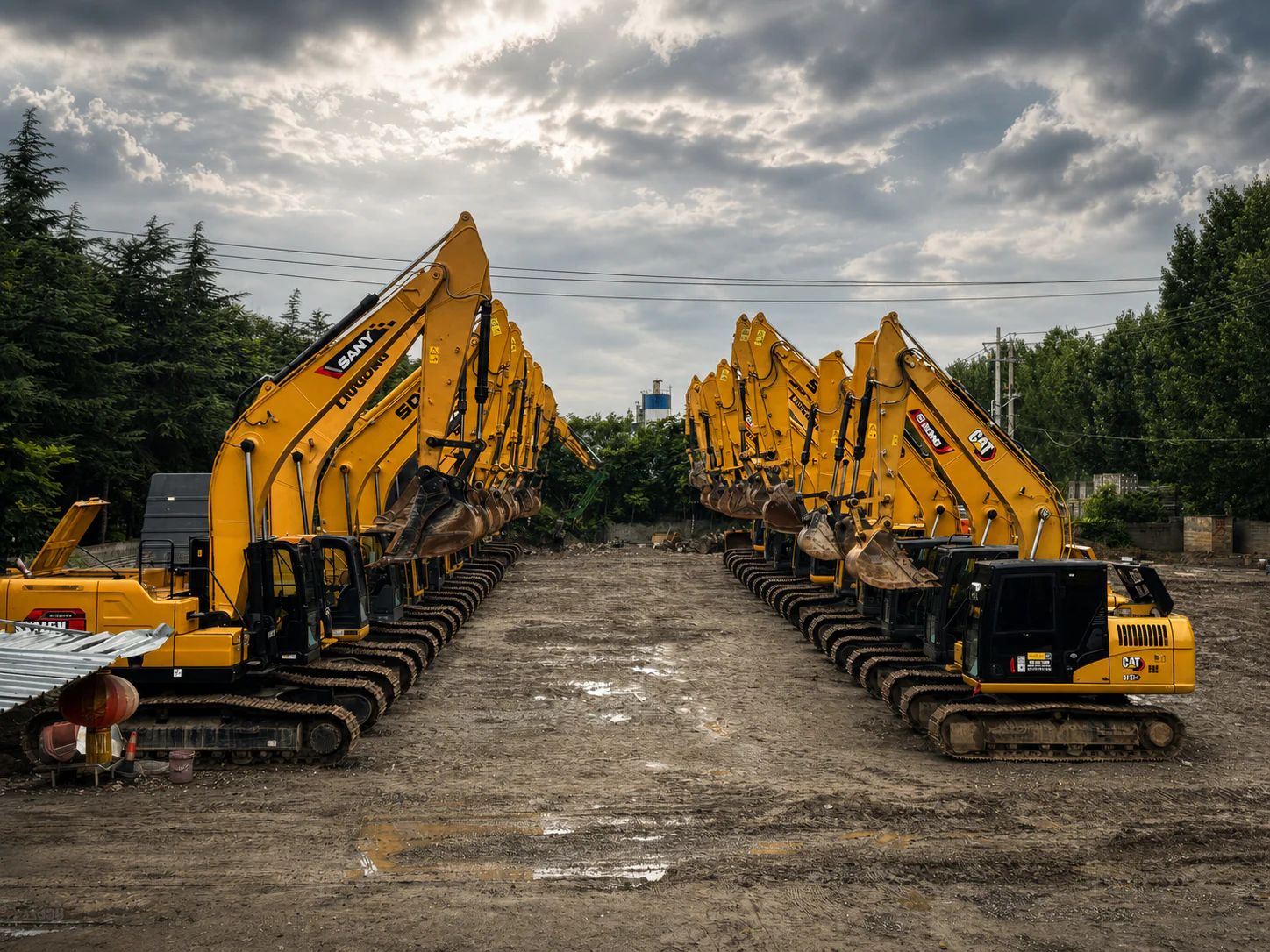
Learn how excavators work, their main parts and types, key specifications, attachments, daily checks and first steps for choosing a machine.
Read guide ↗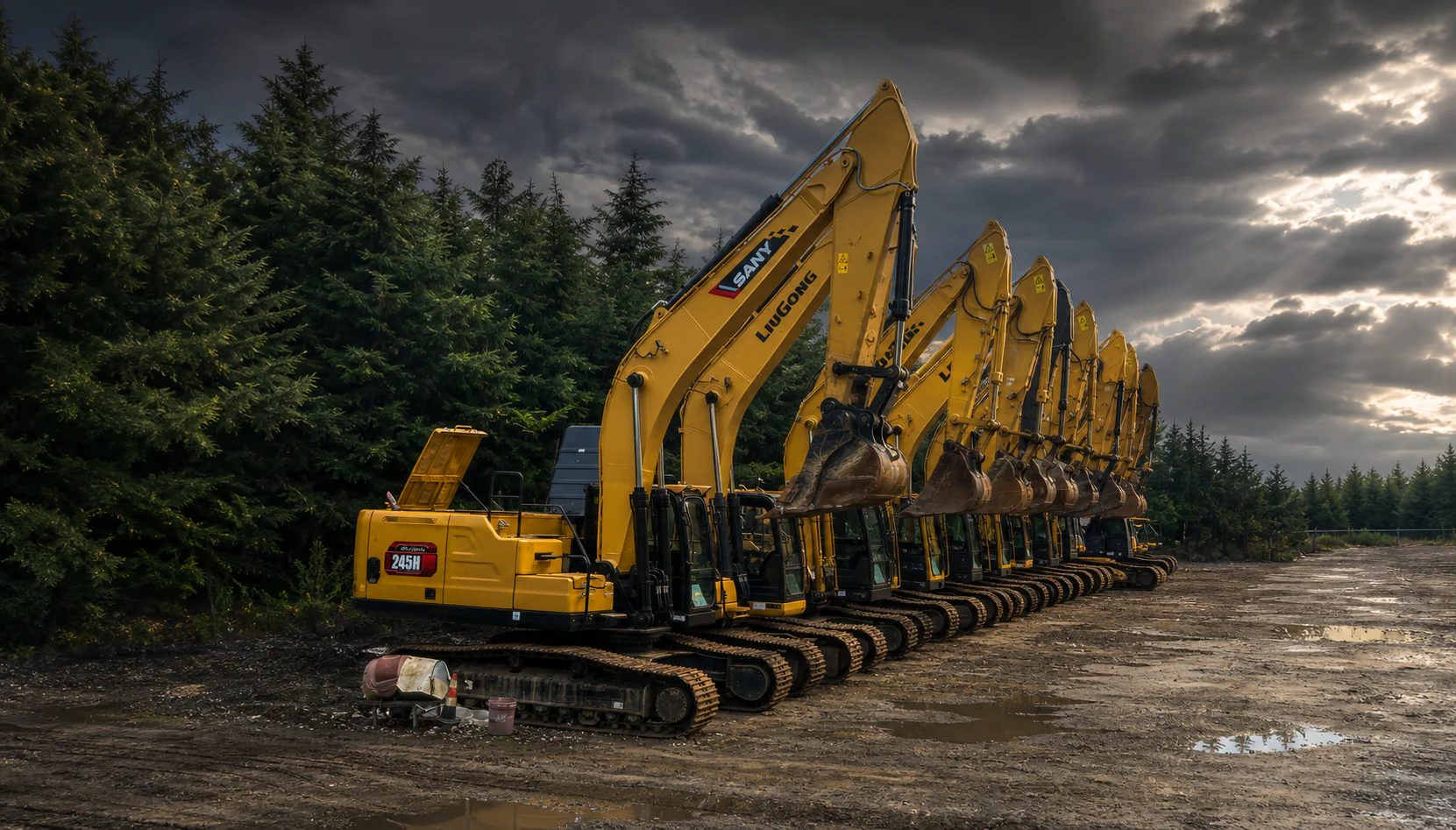
Choose an excavator size from digging, lifting, attachment, ground and transport requirements—not model numbers alone. A practical 6t-to-35t+ comparison.
Read guide ↗
A verification guide to EPA Tier 4, EU Stage V, engine labels and destination checks before importing a used excavator. Rules vary by machine and market.
Read guide ↗
Learn how to judge used excavator hours using service history, application, undercarriage wear, meter evidence and expected repair cost—not one cutoff number.
Read guide ↗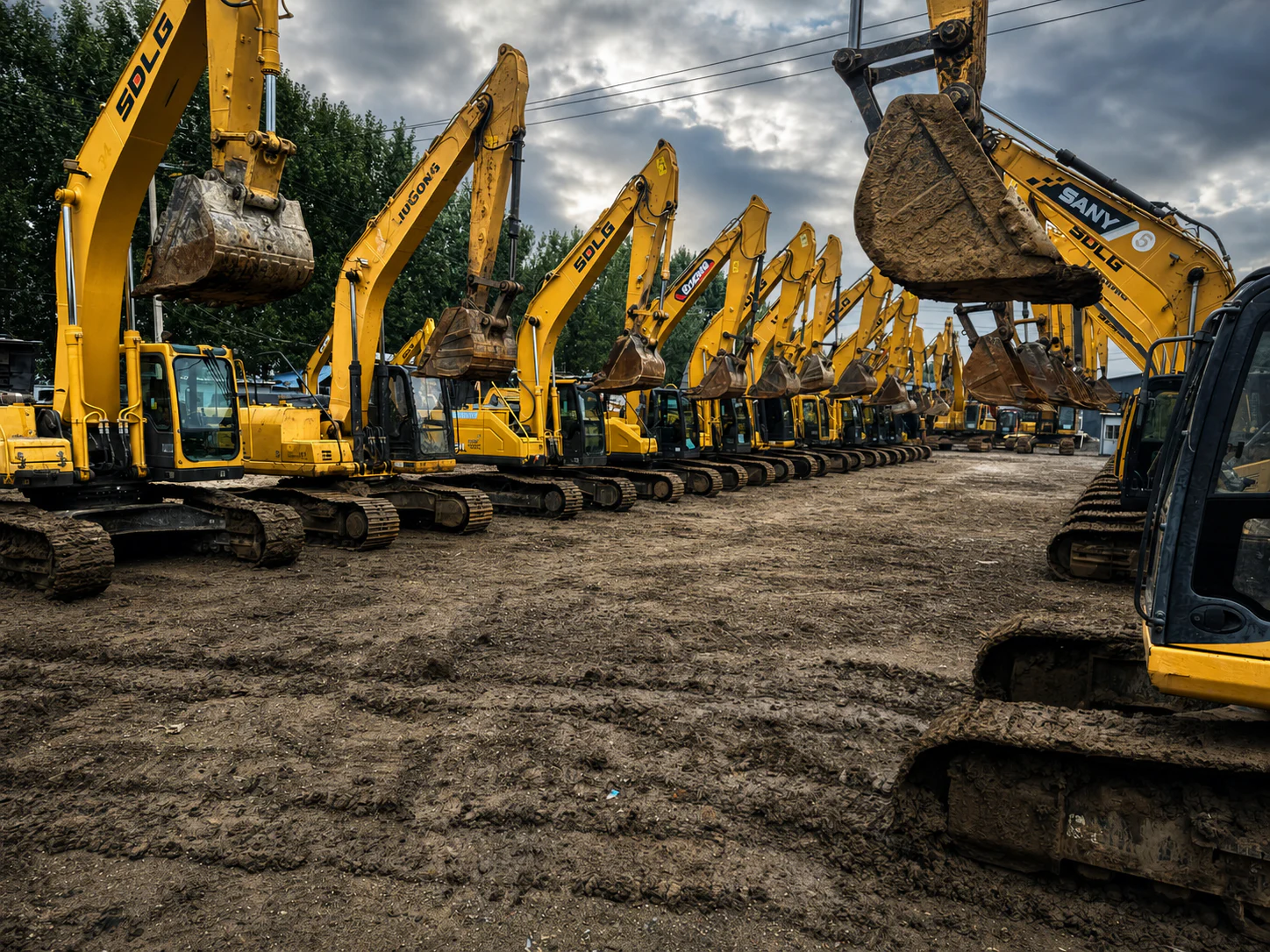
Understand the information a forwarder needs, common shipping methods and the cost components that shape an excavator export quotation from China.
Read guide ↗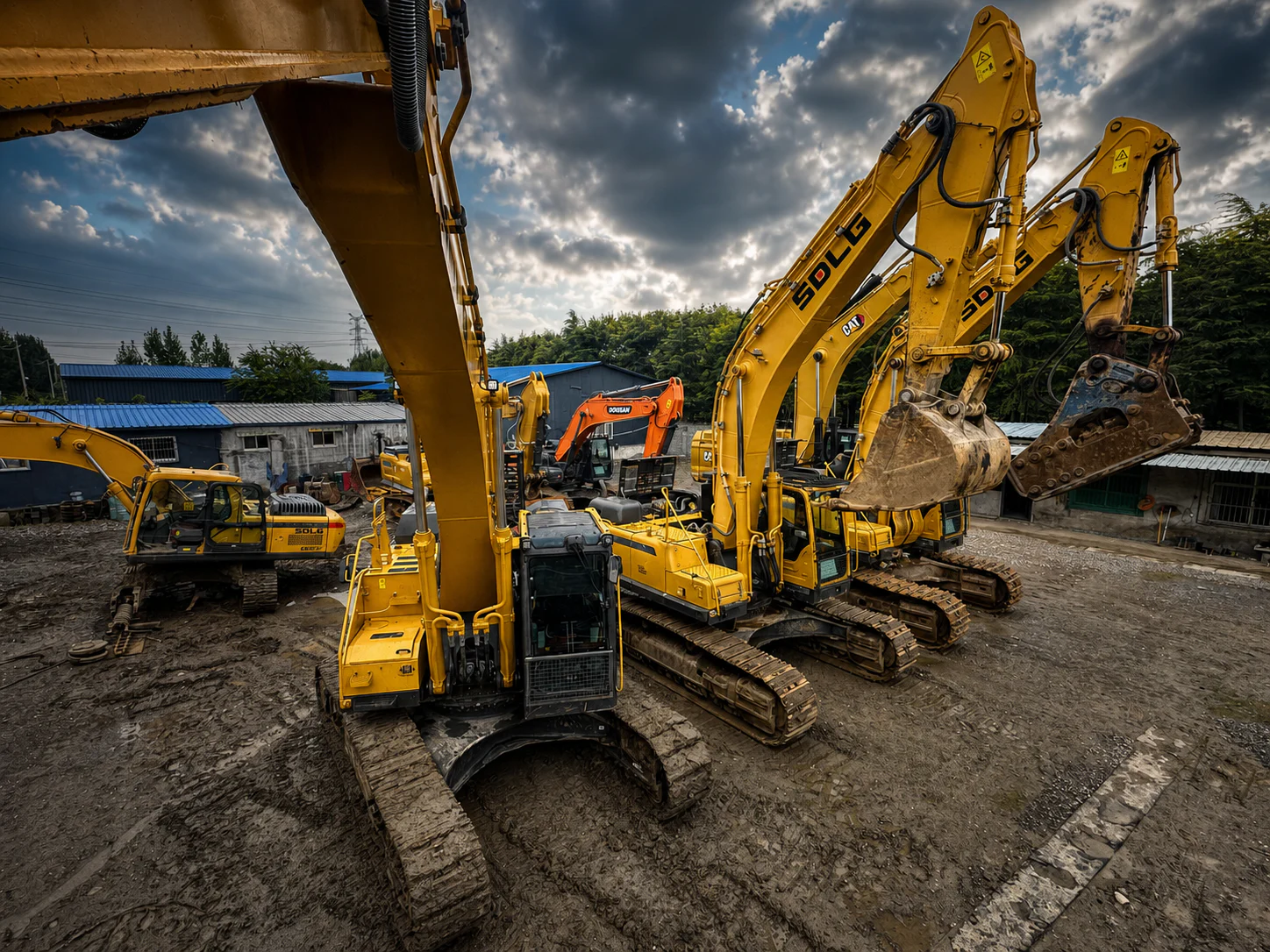
A machine-specific inspection checklist covering machine identity, cold start, hydraulics, structure, undercarriage, operating tests and evidence quality.
Read guide ↗
A practical verification-first process for selecting, inspecting, quoting and shipping a used excavator from China without assuming missing machine details.
Read guide ↗