
Quick answer
An excavator shipping quote depends on the exact machine, origin, destination, dimensions, weight, loading condition, shipping method, required dismantling and the quotation date. Separate the machine price, origin handling, international freight and destination charges. Container, flat rack, roll-on/roll-off and breakbulk can all be relevant, but the forwarder must select an available method for the specific route and machine.
Key takeaways
- A model name alone is not enough for a reliable freight quote.
- Provide measured transport dimensions, weight, photos and loading condition for the exact inventory ID.
- Compare quote scope and exclusions, not only the headline freight number.
- Clarify who handles dismantling, packing, loading, export documents and destination charges.
- Rates, vessel space and schedules change; use a quotation with a validity date.
What changed on 2026-09-09?
Added a machine-specific freight worksheet showing which EA775H listing details can identify a request and which shipping inputs still need confirmation.
1. Collect the inputs needed for a meaningful freight quote
The forwarder needs more than a model brochure. Supply the inventory ID, current yard location, destination port, measured transport length, width and height, operating or shipping weight, photos from each side, and information about whether the machine starts, travels and can load under its own power. State which bucket or attachments will travel with it. The joint IMO/ILO/UNECE CTU Code specifically warns that misdeclaring a cargo transport unit’s gross mass can create unsafe loading or stowage decisions, reinforcing the need for measured, machine-specific data.
If the boom, arm, cab, counterweight or tracks may be removed, request two configurations: the complete machine and the proposed shipping configuration. Dismantling can reduce dimensions but creates labour, lifting, packing, reassembly and missing-part risks. The quotation should identify who performs the work and how loose parts are secured and documented.
- Exact inventory ID and current yard location
- Destination port and, if needed, final delivery address
- Measured transport dimensions and weight
- Current photos and attachment list
- Whether the machine starts, steers and travels
- Proposed dismantling or packing plan
- Target shipping window and required quotation validity
Sources for this section:[3]
2. Compare shipping methods by suitability and total handling
No single method is always best. Equipment dimensions, route availability, port facilities, weather exposure, handling risk and total cost all matter. The UNECE describes the joint CTU Code as non-mandatory global guidance for handling and packing cargo transport units across sea and land; it does not replace route-specific carrier rules or applicable regulations. Ask the forwarder to explain why the proposed method fits the machine and route, and whether the quotation assumes the machine can be driven or lifted safely.
| Method | Often considered when | Points to confirm |
|---|---|---|
| Standard container | The machine or dismantled components fit within permitted limits | Packing, securing, dismantling, reassembly and container payload |
| Flat rack | Cargo is out of gauge for a closed container | Measured over-dimensions, lashing, lifting plan and surcharges |
| Roll-on/roll-off | The route accepts self-propelled or towable equipment | Running condition, fuel rules, port acceptance and loose-item policy |
| Breakbulk | Large or heavy cargo needs individual lifting and stowage | Lift points, handling plan, weather protection and port equipment |
3. Separate the landed-cost components
A low ocean-freight figure may exclude several necessary services. Build a comparison that separates machine-side preparation, Chinese inland transport, terminal handling, export documentation, international freight, insurance if selected, destination terminal charges, customs brokerage, duty and tax, inspections, storage and final delivery.
The seller may quote only some of these items. Mark each line as included, excluded, buyer-arranged or pending. The ICC’s official Incoterms overview distinguishes delivery, cost and risk points among the rules, but a freight comparison still needs its own itemized scope. Use the same currency and assumptions when comparing alternatives, and allow for exchange-rate movement and quotation expiry rather than treating an early estimate as a final invoice.
| Stage | Possible cost items |
|---|---|
| Machine preparation | Cleaning, fluids, repair work, dismantling, packing and securing |
| Origin | Yard loading, inland haulage, permits, terminal and export documentation |
| Ocean transport | Base freight, out-of-gauge or heavy-lift charges and optional insurance |
| Destination | Terminal, customs broker, duty, tax, inspection, storage and local delivery |
Sources for this section:[1]
4. Align commercial documents and destination requirements
Typical transaction and transport documents may include a commercial invoice, packing list, bill of lading and export-related records, but the exact set depends on the machine, route and destination. Serial information, weights, package count and consignee details should be consistent across documents.
Import eligibility, duty, taxes, pre-shipment inspections, emissions rules, certificates and registration requirements are destination-specific. Confirm them with the importer’s customs broker or relevant authority before shipment. A freight booking does not prove that the machine can be legally imported or used at the destination.
5. Plan for schedule and handling uncertainty
Published sailing dates and transit estimates can change because of vessel schedules, port congestion, weather, customs holds, documentation corrections or equipment availability. Ask for the planned route, cut-off dates and transshipment points, but keep customer or project commitments separate from an unguaranteed estimate.
Before loading, confirm that the machine is in the agreed condition, loose parts are inventoried, lifting or lashing points are suitable and photographs will document the loading result. The CTU Code includes dedicated guidance on load distribution and securing arrangements, so these decisions should be made by competent parties for the actual cargo transport unit and route. Define who will receive updates and who can approve extra costs if the actual dimensions or port requirements differ from the quote assumptions.
Sources for this section:[3]
6. Compare complete, time-stamped quotations
For a fair comparison, every forwarder should receive the same machine-specific inputs. Compare method, route, included services, exclusions, free-time or storage assumptions, quotation validity, payment terms and responsibility for loading. A cheaper quote with unclear out-of-gauge or destination charges may not produce a lower landed cost.
Reconfirm the machine dimensions, availability and freight validity before final payment or booking. The result should be a written chain from the exact machine to the loading plan, transport document and destination handover.
7. Use a machine-specific freight request worksheet
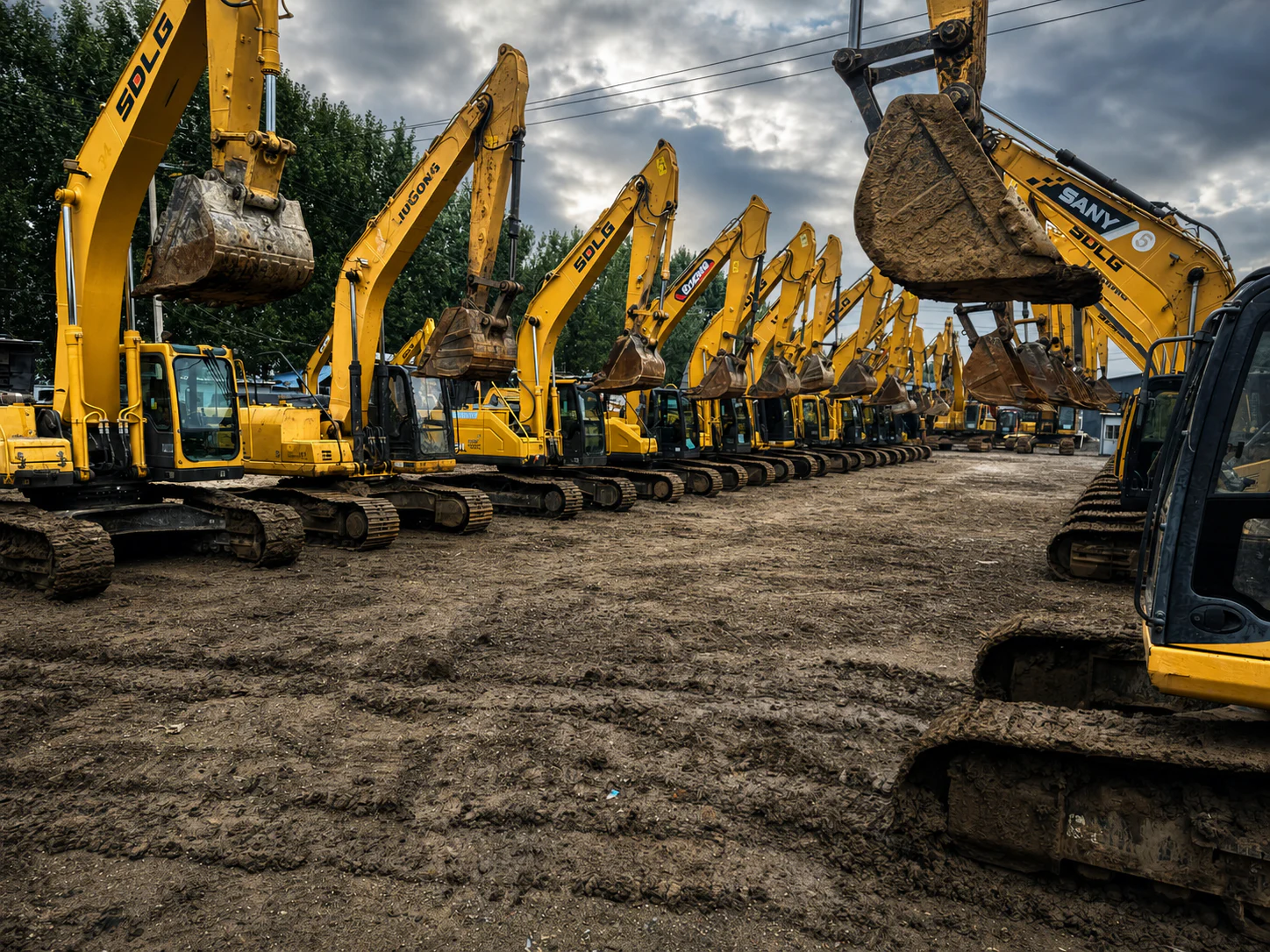
For example, our SDLG EA775H listing is identified by inventory ID WX-260816-053. That identifies a machine to discuss; it is not a confirmed shipment, current availability check or freight quotation. Use the worksheet below to keep published listing information separate from measurements and commercial choices that still need confirmation.
Send the completed worksheet to the seller or forwarder. Ask them to return the proposed method, loading assumptions, itemized inclusions and exclusions, and quotation expiry against the same inventory ID. Leave unmeasured fields unconfirmed rather than copying model brochure dimensions into a booking.
| Request field | Starting information / action needed |
|---|---|
| Machine identity | SDLG EA775H · WX-260816-053; reconfirm current availability with the seller. |
| Destination | Buyer to provide country, port and final delivery address if inland delivery is requested. |
| Shipping configuration | Seller to confirm included attachments, any removed parts and package count. |
| Transport dimensions and mass | Yard to provide measured length × width × height and shipping weight for that configuration; model specifications are not an inventory-unit measurement. |
| Loading condition | Yard to confirm starting, steering, braking and travel condition, and any assistance required for loading. |
| Commercial scope | Buyer and seller to agree Incoterm and named place, target shipping window, cost inclusions and quotation validity. |
Frequently asked questions
What details are needed to quote excavator shipping from China?
Provide the exact inventory ID, current yard, destination port, measured transport dimensions and weight, current photos, attachment list, running and loading condition, any proposed dismantling, target timing and required quotation validity.
Which shipping method is cheapest for an excavator?
There is no universal cheapest method. Container, flat rack, roll-on/roll-off and breakbulk each change preparation, lifting, lashing, exposure, port and destination costs. Compare total handling and route availability for the exact machine, not only ocean freight.
Can a used excavator be shipped in a standard container?
Sometimes, if the complete or safely dismantled machine fits the carrier’s dimension, payload and packing limits. The written plan should identify removed parts, lifting and securing, packing, documentation and responsibility for reassembly.
Which costs are often excluded from a headline freight rate?
Possible exclusions include cleaning and preparation, dismantling, yard loading, inland haulage, export documents, terminal handling, out-of-gauge charges, insurance, destination terminal fees, customs brokerage, duty, tax, inspection, storage and final delivery.
How long is an excavator freight quotation valid?
Validity depends on the forwarder, carrier, route and market. Require a written expiry date and reconfirm dimensions, machine availability, vessel space, schedule and surcharges before payment or booking rather than treating an early estimate as fixed.
Does a freight booking prove that an excavator can be imported?
No. A carrier booking addresses transport, not destination eligibility. The importer should confirm emissions, age limits, documents, inspections, duty, tax and registration or use requirements with the customs broker or relevant authority before shipment.
References
- Incoterms® 2020 Rules ↗International Chamber of Commerce (ICC) · Accessed 2026-08-28
- IMO/ILO/UNECE Code of Practice for Packing of Cargo Transport Units (ECE/TRANS/2014/17) ↗United Nations Economic Commission for Europe (UNECE) — United Nations Official Document System · Accessed 2026-08-28
- IMO/ILO/UNECE Code of Practice for Packing of Cargo Transport Units (MSC.1/Circ.1497) ↗International Maritime Organization (IMO) · Accessed 2026-08-28
Editorial standard: Updated 2026-09-09. This guide separates general process guidance from machine-specific facts. Confirm the current inventory ID, machine evidence, inspection scope, carrier quotation and destination requirements before making a transaction decision. Read our editorial and verification standard.