Quick answer
Request a component-by-component report for both tracks, tied to the inventory ID and inspection date. Compare the measurements with the correct wear limits, then obtain a priced repair scope. A photograph, new track shoes or a single remaining-life percentage cannot replace that comparison.
Key takeaways
- Identify the installed track system before selecting wear limits.
- Request separate evidence for the left and right sides.
- Read measurements together with their method and comparison standard.
- Check exactly which parts a claimed undercarriage renewal included.
- Compare purchase price, repair scope and time needed for parts.
1. Identify what is actually fitted
Begin with the machine's inventory ID, full model and serial details. Ask for the installed track type, shoe width and any available component identification. Keep this information with the quotation. If the undercarriage has been replaced or modified, ask the inspector to identify the fitted components before choosing a measurement standard.
Caterpillar highlights operating conditions, impact, attachments and expected use when selecting undercarriage systems. These factors help frame a buyer's assessment of suitability.
Describe your intended ground conditions and travel pattern to the inspector. A report should help you judge the machine against that work, rather than simply repeat its advertised age.
Sources for this section:[1]
2. Ask for a usable photo sequence
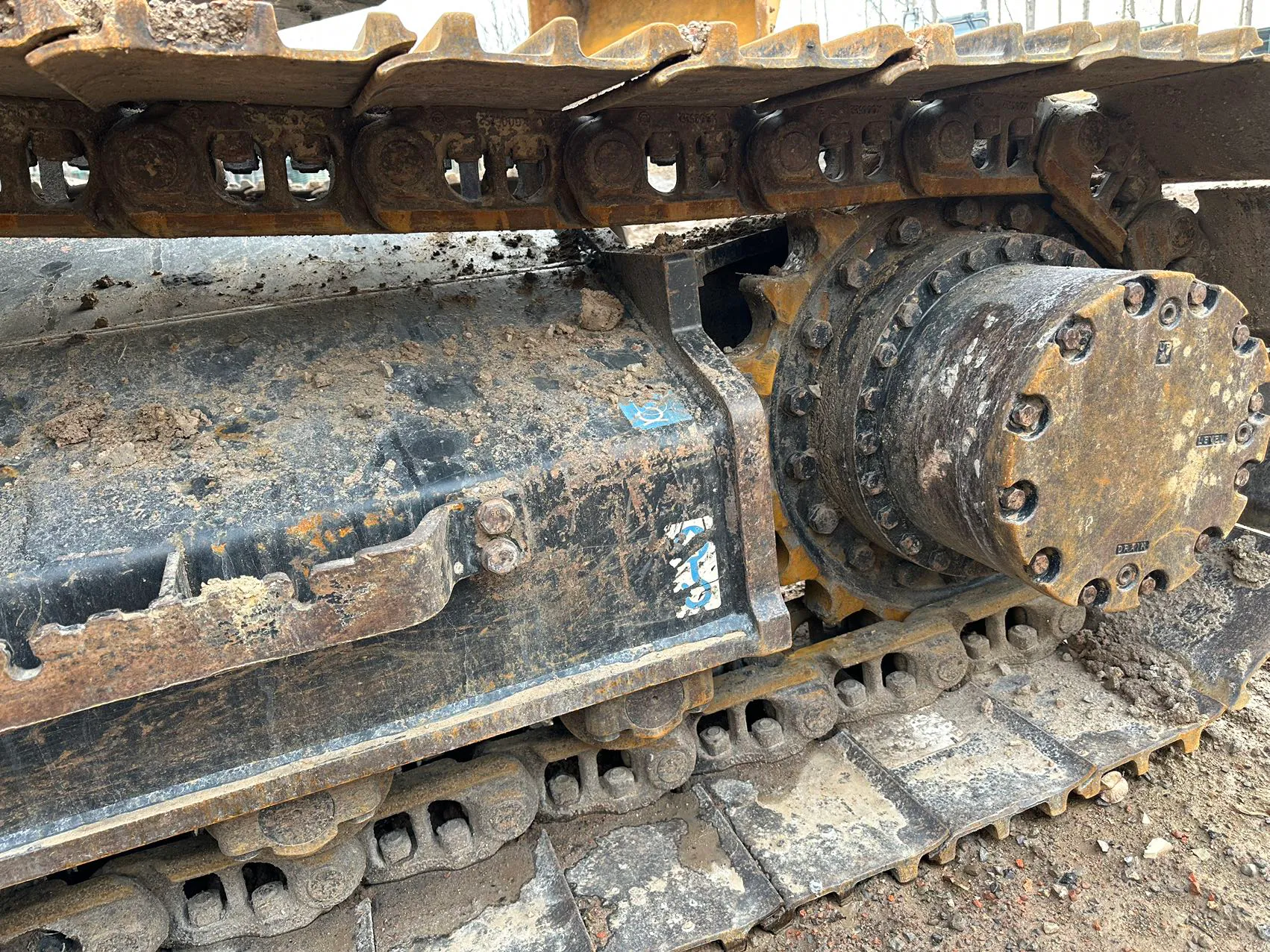
Request an overall side view of each track, followed by close views of the shoes, chain, sprocket, rollers and idler. Ask the seller to label left and right consistently. Include pictures of visible damage, missing hardware, leakage and any repair areas. Dirt should not hide the surfaces the inspector needs to examine.
Treat photographs as a way to locate questions. A clean assembly may still need measurement, while surface rust alone does not establish its remaining service life. If only one side appears in the media, ask for the other before comparing offers. Record when the photographs were taken.
3. Make the measurements interpretable
Ask a qualified inspector for the component measured, location, reading, unit, tool and applicable new and service-limit dimensions. Request photographs showing where readings were taken. Where a wear percentage is supplied, ask for its basis and whether it describes one component or the whole assembly.
Caterpillar's Certified Used inspection describes track measurement tools and component assessment by trained inspectors. It illustrates why visual checks alone cannot establish measured wear.
Agree the measurement scope before the visit. If access is restricted, record which components were not measured. The inspector should secure and isolate the machine as required by its manual; buyers should not improvise lifting or reach near moving tracks to obtain photographs.
Sources for this section:[2]
4. Separate renewed parts from the remaining assembly
When an offer says the tracks are new, ask what that includes. Request an itemised list covering chains, shoes, rollers, idlers, sprockets and hardware as applicable, together with installation dates and supporting records. The inspector should assess how the retained and replaced components work together.
Compare the two sides and note different markings or wear patterns for follow-up. Do not assume that an uneven appearance proves a particular failure. Ask for the reason, the repair history and the inspector's conclusion. Keep any recommended work separate from work the seller has already completed.
5. Compare the repair obligation in each offer
The comparison below describes two types of offer, not actual machines or quotations. Use it to identify what remains to be established before choosing a unit. Request local parts and labour quotations where repairs will be performed; an overseas headline price does not establish your repair cost.
| Purchase question | Photo-only offer | Measured offer | Decision needed |
|---|---|---|---|
| What has been checked? | Visible surfaces only | Named components and readings | Confirm both sides and exclusions |
| What needs replacement? | Broad condition description | Itemised inspector recommendations | Obtain an exact parts and labour scope |
| When can work begin? | No repair plan attached | Repair tasks identified | Confirm parts availability and workshop timing |
| Who pays? | Machine price only | Repair scope can be negotiated | Write responsibility into the final offer |
6. Close the open items before acceptance
Keep three lists: findings you accept, repairs agreed before shipment, and questions requiring further evidence. For each promised repair, name the component, parts specification, responsible party and acceptance evidence. Ask for the updated report after the work, rather than treating a promise as a completed repair.
If the seller and inspector disagree, resolve the measurement method or obtain another assessment before deciding. Send Plinton the inventory ID and the questions arising from your review so the discussion concerns the same machine. Available photographs illustrate that unit; they are not a wear certificate.
Frequently asked questions
Does a new set of track shoes mean the undercarriage is renewed?
Ask for the replacement list. Shoes are only part of the assembly; the chain, rollers, sprockets and idlers need their own assessment.
Can I compare two advertised remaining-life percentages?
Only after checking the measured components, method and wear limits behind each figure. Request the readings and inspection dates before treating the percentages as comparable.
References
- Undercarriage for Excavators ↗Caterpillar · Accessed 2026-09-12
- Certified Used Inspection ↗Caterpillar · Accessed 2026-09-12
Editorial standard: Updated 2026-09-12. This guide separates general process guidance from machine-specific facts. Confirm the current inventory ID, machine evidence, inspection scope, carrier quotation and destination requirements before making a transaction decision. Read our editorial and verification standard.