
Quick answer
Consider a backhoe loader when the job regularly combines front loading with rear digging. Consider an excavator when digging, slewing and attachment work dominate. Compare the actual models: excavators include compact machines, so it is incorrect to assume every excavator is larger than every backhoe loader.
Key takeaways
- List digging and loading as separate tasks.
- Compare working space as well as travel width.
- Account for attachments, setup and transport.
- Choose from model specifications and an inspection, not a machine-category slogan.
- Confirm the transport and working envelope of each shortlisted model.
1. Understand the working arrangement
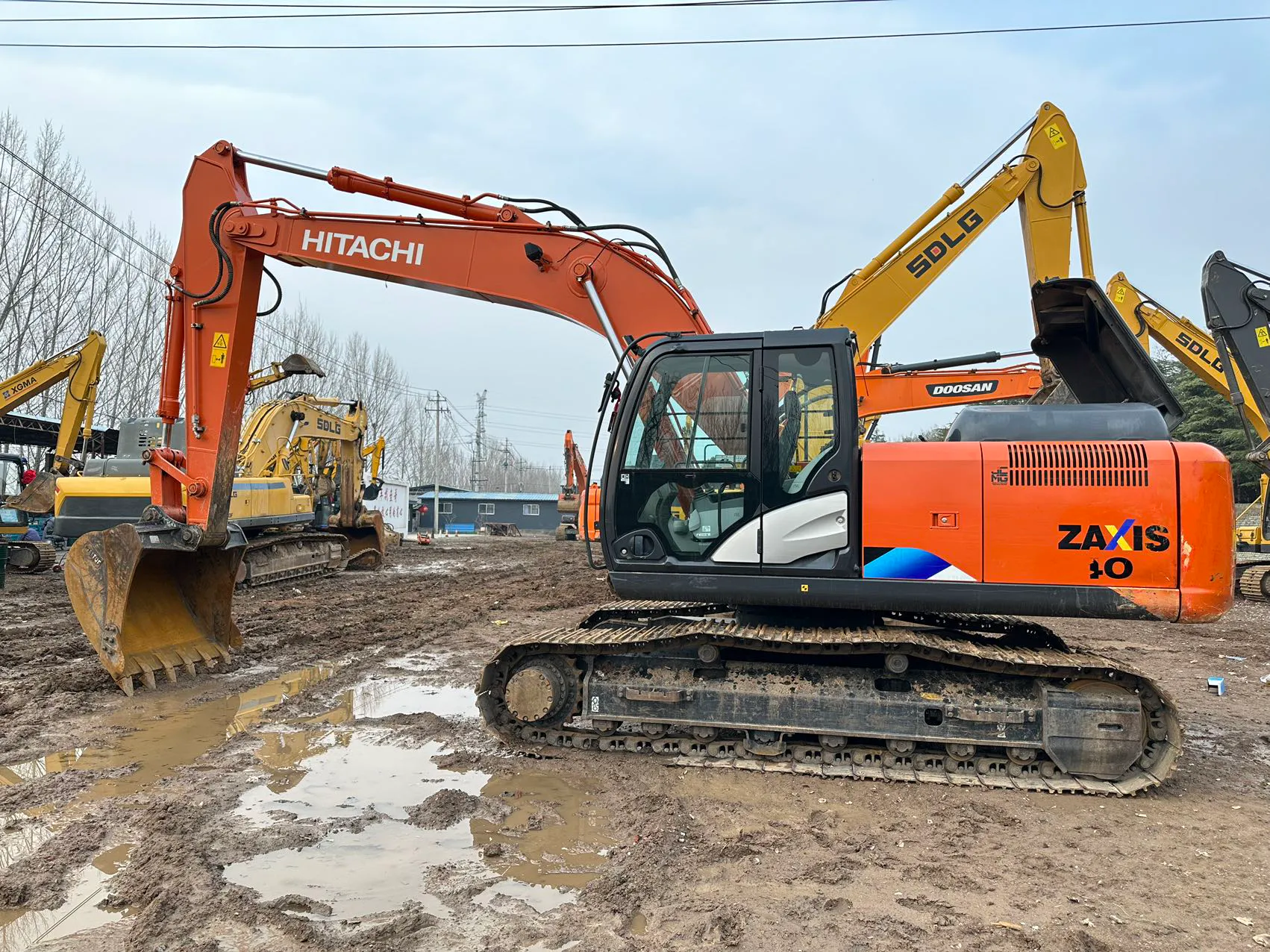
A backhoe loader combines a front loader with a rear digging attachment. An excavator is built around a rotating upper structure and excavating attachment, with tracked and wheeled versions available. These arrangements affect where the machine sits and how material moves through the site.
Do not reduce the decision to an advertised digging depth. Compare reach at the required depth, working clearance, loading height and the exact attachment. Use the manuals and specifications for the models being quoted, since options and configurations vary.
2. Write down the job mix
A contractor alternating short trenches with loading loose material has a different requirement from a crew excavating continuously beside a truck. Record how much time is spent digging, loading, travelling, changing attachments and waiting. This reveals whether versatility or a dedicated digging arrangement matters more.
If another machine already handles loading, duplicating that capability may add little value. If one operator must complete several small tasks, the ability to change roles may matter more. Test the proposed work cycle rather than assuming a category will always be faster.
| Your work | Question to resolve | Evidence needed |
|---|---|---|
| Mixed loading and trenching | Can one machine complete both efficiently? | Task sequence and attachment details |
| Repeated digging and truck loading | Does the working envelope fit the site? | Model reach, clearance and site layout |
| Confined access | Will the machine enter and work safely? | Travel and working dimensions |
| Frequent site changes | What transport and setup are required? | Route assessment and transport quotation |
3. Compare used-machine obligations
For either machine, request serial identity, evidence for the hour reading, a working inspection and repair records. Include all equipment you intend to use in the inspection scope. A machine that performs one task well may still have a fault in another system relevant to your work.
Separate the purchase price from the cost of repairs, attachments and transport. Confirm parts support in your destination and the terms of any promised work before shipment. The comparison should name unresolved items instead of assuming they will be included later.
4. Check the space needed after arrival
An entry that accommodates the transport width may not leave enough working space. Mark where trucks, pedestrians and other equipment will be during the task. Compare the complete operating envelope, including deployed supports where required. Ask the site manager to review the arrangement before treating access through the gate as proof of suitability.
5. Include attachment changes in the comparison
List the attachments needed for each task and confirm their mounting, hydraulic requirements and approved use with the relevant supplier. Include the time, equipment and trained personnel needed for changes. Owning an attachment does not prove that either candidate machine can operate it; verify the exact combination before adding it to the purchase budget.
6. Build an excavator shortlist when the task fits
Plinton's business is used excavators from China. If your assessment points to an excavator, send the main task, ground conditions, access limits, attachment and destination together with the inventory IDs you are considering. This article does not represent a backhoe-loader stock offer.
Start with the published inventory and confirm each unit's current availability. Ask for model-specific dimensions and inspection evidence before deciding. When weight or hours remain unverified, keep that uncertainty in the comparison rather than filling it from a similar model.
Frequently asked questions
Is a backhoe loader the same as a wheeled excavator?
No. A backhoe loader has a front loading attachment and a rear digging attachment. A wheeled excavator uses an excavator upper structure on a wheeled undercarriage. Compare their exact configurations.
Which costs less to own?
Compare machines that can complete your work, including attachments, repairs, delivery and support. There is no single cost answer for every model and workload.
References
- Backhoe Loaders ↗Caterpillar · Accessed 2026-09-19
- All About Excavators ↗John Deere · Accessed 2026-09-19
Editorial standard: Updated 2026-09-19. This guide separates general process guidance from machine-specific facts. Confirm the current inventory ID, machine evidence, inspection scope, carrier quotation and destination requirements before making a transaction decision. Read our editorial and verification standard.