
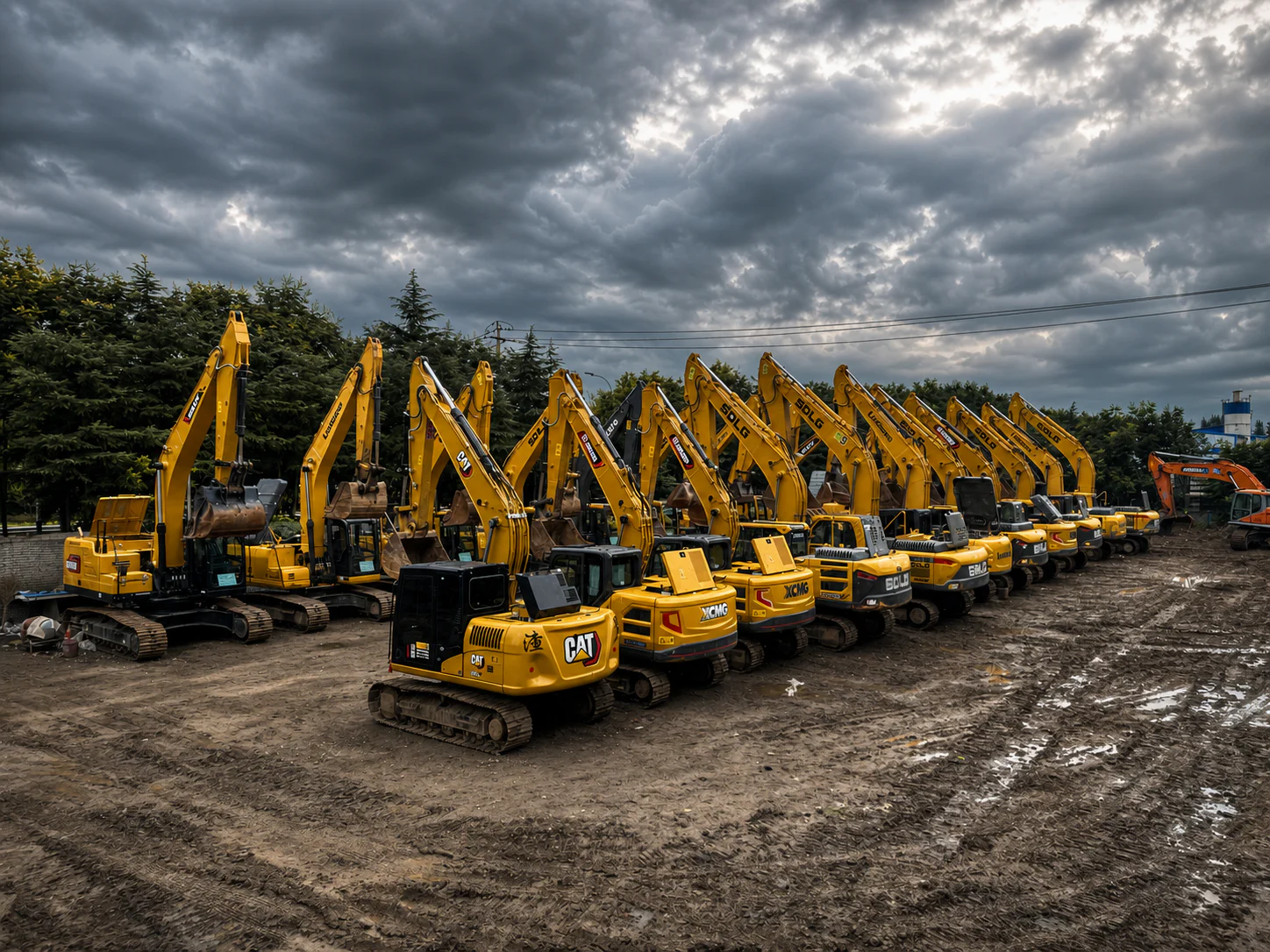
Quick answer
The safest sequence is to define the job and destination, shortlist a machine with a unique inventory ID, verify its identity and condition, obtain a written quotation with clear inclusions, confirm the seller and beneficiary, and agree the shipping responsibility before payment. Treat every machine as an individual asset: model-level assumptions are not a substitute for machine-specific evidence.
Key takeaways
- Buy the exact inventory ID, not a generic model description.
- Separate verified facts from fields that are missing or still pending.
- Use current photos, serial evidence, an operating test and, when appropriate, an independent inspection.
- Ask for a written cost breakdown covering the machine, preparation, loading and logistics responsibilities.
- Reconfirm availability, seller identity and payment details immediately before funds are sent.
What changed on 2026-08-28?
Added direct buyer FAQs and clearer links to the named author and editorial verification standard.
1. Define the work requirement before comparing listings
A useful shortlist starts with the job, not with the lowest advertised price. Record the expected operating weight range, digging depth or reach, bucket size, undercarriage type, attachment requirements, working environment and transport restrictions at the destination. A machine that is inexpensive but too large for local roads, unsuitable for a required attachment or difficult to register can create a much larger cost later.
Also identify any destination-specific emissions, safety, age or import restrictions before committing to a machine. These requirements vary by country and sometimes by project. A licensed customs broker, equipment inspector or local authority should confirm rules that affect import eligibility; a seller’s general experience should not replace destination advice.
- Target brand and model or acceptable alternatives
- Operating weight, reach, bucket and attachment needs
- Preferred year and meter-hour range
- Destination country, port and final delivery location
- Maximum machine dimensions or road-transport limits
- Budget for the machine plus inspection, preparation and logistics
2. Shortlist identifiable, current stock
A credible product page should make it possible to identify the specific machine. At minimum, retain the inventory ID and the page URL in your inquiry. Ask whether the photographs show that same machine, when the media was recorded and where the machine is currently stored. If multiple machines share one model description, require the seller to state which unit the quotation covers.
Do not fill gaps with model-wide assumptions. Manufacturing year, meter reading, operating weight, configuration, attachments and serial details can differ between units or markets. If a field is marked pending, it remains unverified until evidence for that inventory ID is supplied.
| Item | Useful evidence | Reason |
|---|---|---|
| Machine identity | Inventory ID and serial plate image | Links the offer and inspection to one unit |
| Current condition | Recent walk-around and cold-start video | Reduces reliance on old or catalogue media |
| Configuration | Photos of boom, arm, bucket, lines and cab | Shows what is physically included |
| Location and availability | Written confirmation near quotation date | Stock can move or be sold |
3. Verify identity and condition in a repeatable order
Start by matching the inventory ID, serial plate and general appearance. Then record a cold start before the engine has been warmed for the demonstration. Observe starting behaviour, smoke, abnormal noise, warning indicators and visible fluid condition. Continue with an operating test that loads the hydraulic functions rather than showing only an idle walk-around.
The inspection should cover the engine compartment, hydraulic pumps and cylinders, hoses, boom and arm weld areas, bucket linkage, slew bearing behaviour, travel motors, sprockets, rollers, idlers, track chain, cab controls and electrical functions. Wear is normal on used equipment; the purpose is to identify its extent, safety relevance and likely near-term repair cost.
An independent inspector can add separation between the seller and the condition assessment, but the scope still matters. Agree what will be tested, what cannot be tested and how photos, video and measurements will be tied to the inventory ID. As one OEM example, Caterpillar’s published Certified Used process includes an initial walk-around, startup and manoeuvring, component ratings, photographs and operational tests.
Sources for this section:[2]
4. Convert the listing into a written commercial quotation
A machine price by itself is not a complete purchase proposal. Ask for a quotation that names the seller, buyer, inventory ID, machine description, currency, quotation validity and trade term. It should list any preparation, attachments, spare parts, cleaning, dismantling, loading, inland transport, export documentation and freight that are included or excluded.
If the quotation uses an Incoterms® rule, the named place matters as much as the three-letter rule. The ICC’s official overview identifies specific delivery and risk-transfer points for its trade terms, which is why the selected rule and named place should be written together. Ask who carries the cost and risk at each handover. Destination port charges, customs duty, taxes, broker fees, inspections and final delivery are often outside a seller’s machine quotation unless specifically stated.
| Cost area | Confirm in writing |
|---|---|
| Machine | Exact inventory ID, included attachment and current condition basis |
| Preparation | Cleaning, repairs, paint, fluids, dismantling and packing |
| Origin logistics | Yard loading, inland haulage, terminal and export documents |
| International freight | Mode, origin, destination, validity and carrier assumptions |
| Destination | Items excluded from the seller quote and handled by the buyer |
Sources for this section:[1]
5. Reconfirm the transaction before payment
Commercial fraud often exploits urgency or last-minute changes. Confirm the legal seller name and beneficiary details through a known communication channel. A change of bank account, beneficiary country or payment instruction deserves a separate verification step. Keep the final quotation, contract, inspection evidence and machine identity together in one transaction file.
The payment schedule should match the agreed control points. For example, parties may link a stage to contract confirmation, inspection acceptance or loading evidence. The correct structure depends on the transaction and banking arrangements; obtain professional advice where the value or jurisdiction makes that appropriate.
- Seller name matches the contract and invoice
- Beneficiary details are independently reconfirmed
- Inventory ID and serial information match the inspected machine
- All included work and attachments are written down
- Inspection exceptions and unresolved points are recorded
- Loading, document and shipping responsibilities are assigned
6. Make the decision from evidence, not from one attractive number
Compare the total expected acquisition cost and the remaining uncertainty, not just the machine price. Two units with the same model can have different undercarriage wear, repair needs, attachments, transport dimensions and documentation. A more expensive unit with clearer evidence and fewer immediate repairs may be the better commercial choice.
When information is incomplete, keep the field marked unverified and ask a focused question. That discipline helps the buyer, seller, inspector and logistics provider work from the same facts—and creates a cleaner record for the final decision.
Frequently asked questions
What information should I prepare before requesting a used excavator quotation?
Prepare the intended work, acceptable brands or models, required attachments, preferred year and hour range, destination country and port, transport limits and total budget. This lets the seller shortlist a suitable inventory ID instead of sending unrelated listings.
How can I verify that a listing, video and quotation refer to the same excavator?
Keep the unique inventory ID and product URL, then match them to the serial plate image, current walk-around video, inspection evidence and written quotation. If several units share one model description, require the seller to identify the exact unit in writing.
Do I need an independent inspection when buying an excavator from China?
It depends on the transaction value, evidence quality and your risk tolerance. An independent inspector can separate the condition assessment from the seller, but the agreed test scope and untested items must still be recorded for the exact inventory ID.
What should a written used excavator quotation include?
It should identify the seller, buyer, inventory ID, machine, currency, validity period and named delivery term or place. It should also separate included and excluded preparation, attachments, loading, inland transport, export documents, freight and destination responsibilities.
Is the advertised machine price the final landed cost?
Usually not. Landed cost can also include inspection, preparation, dismantling, origin transport, loading, international freight, insurance, destination handling, customs brokerage, duty, tax, storage and final delivery. Compare complete written scopes rather than one headline number.
References
- Incoterms® 2020 Rules ↗International Chamber of Commerce (ICC) · Accessed 2026-08-28
- Certified Used Inspection ↗Caterpillar · Accessed 2026-08-28
Editorial standard: Updated 2026-08-28. This guide separates general process guidance from machine-specific facts. Confirm the current inventory ID, machine evidence, inspection scope, carrier quotation and destination requirements before making a transaction decision. Read our editorial and verification standard.