Identify machine and destination
Share the inventory ID, quantity, destination country and preferred port. A freight discussion cannot be reliable without the actual machine and route.

Export planning
Shipping is quoted from the machine, destination and current carrier options. We compare practical loading methods, define the scope in writing and avoid unreliable one-price-fits-all estimates.
Compare quotations for the same machine, route and delivery term. Ask for the applicable items below to be included or excluded explicitly, together with the currency, validity period and estimated schedule.
| Cost item | Information to confirm |
|---|---|
| Preparation and packing | Cleaning, agreed disassembly, protection, loose attachments and reassembly responsibility. |
| Transport to the loading point | Pickup location, actual transport dimensions and weight, loading and unloading scope. |
| Origin handling and ocean freight | Departure and arrival ports, loading method, handling, lashing and carrier surcharges. |
| Insurance and destination charges | Insurance scope if arranged; destination handling, storage, customs clearance and local delivery responsibilities. |
A model's operating weight is not a substitute for measured shipping dimensions and dispatch weight. Duties and taxes are destination-specific and must be checked with the buyer's customs broker. No live freight price is implied by this checklist.
Buyer guidance updated
Export workflow
A professional shipping process starts before booking. Machine dimensions, preparation, delivery term and destination requirements need to agree with the quotation.
Share the inventory ID, quantity, destination country and preferred port. A freight discussion cannot be reliable without the actual machine and route.
Operating weight, transport dimensions, attachments and whether the machine can travel safely affect loading method and carrier acceptance.
Container, flat rack, Ro-Ro and breakbulk are compared against size, disassembly, exposure, port handling and current route availability.
The quotation should state the route, delivery term, included preparation, estimated schedule, document scope and exclusions before confirmation.
Cleaning, securing loose items, agreed disassembly, marking and protection are planned for the selected transport method and carrier rules.
The machine is transported to the nominated port or loading point. Loading and lashing are completed by the responsible logistics parties.
Available loading evidence and shipment milestones are shared. The final document set depends on the contract, carrier, route and destination requirements.
Method comparison
The final method depends on the exact excavator, carrier and port rules. These options explain the trade-offs without pretending to provide a live freight rate.
Often considered for smaller machines or excavators that can be safely prepared to fit. It may reduce weather exposure but can require more disassembly and loading labor.
Useful for oversized machines that do not fit a closed container. Cargo remains exposed, so lashing, protection and out-of-gauge charges need close attention.
A practical option on routes that accept operable self-propelled machinery. The machine must meet terminal and carrier rules and be able to move as required.
Considered for larger or heavier excavators and routes where project cargo handling is appropriate. Lifting, stevedoring and schedule details are route-specific.
Carrier acceptance, schedule and price must be reconfirmed when the booking is made.
Documents & milestones
Document requirements vary by origin, destination, machine and delivery term. The confirmed quotation should list the expected document set and responsibility split.
Commercial invoice and packing list are prepared according to the confirmed sale and shipment scope.
The bill of lading or other carrier document reflects the booked route, cargo and consignee information.
Export declaration and related China-side customs documents are handled as applicable to the shipment.
Certificate of origin, pre-shipment inspection or other documents are supplied only when required, available and agreed in advance.
Machine, loading plan and destination details match the written scope.
Yard-to-port or yard-to-loading transport is coordinated as agreed.
Responsible logistics teams load, lash and handle cargo under applicable rules.
Available loading evidence, carrier document and sailing milestone are shared.
Actual dispatch evidence
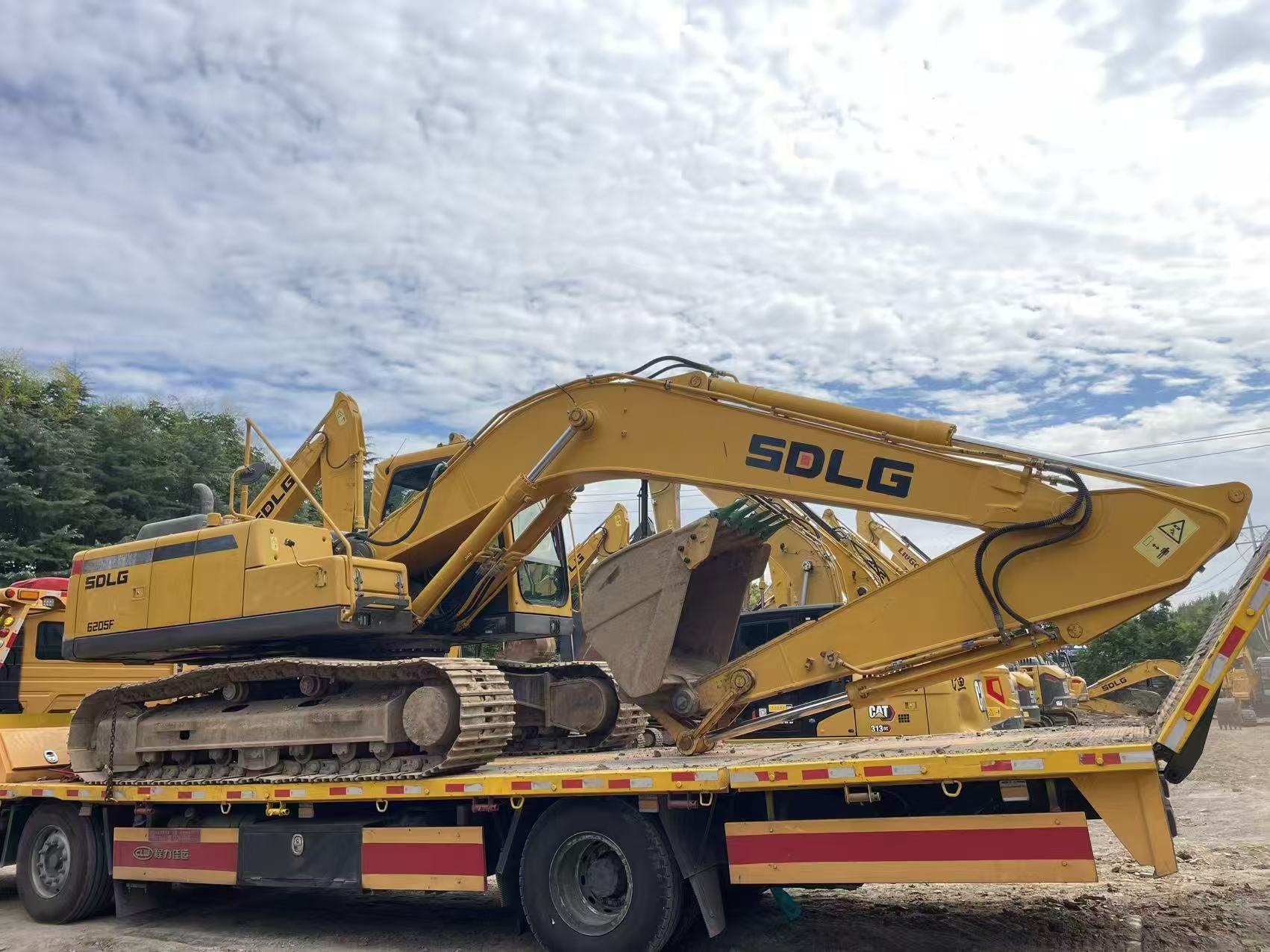
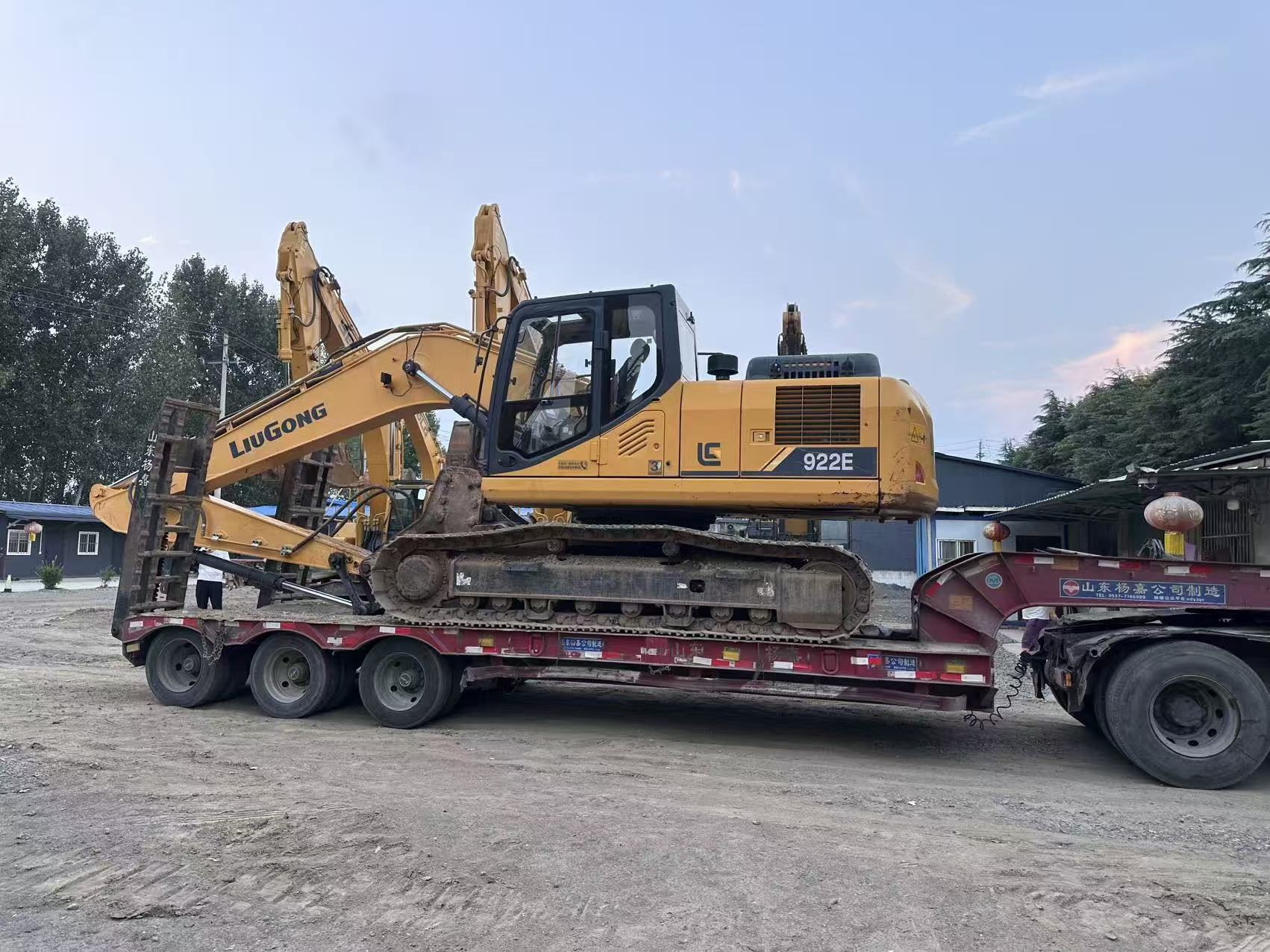
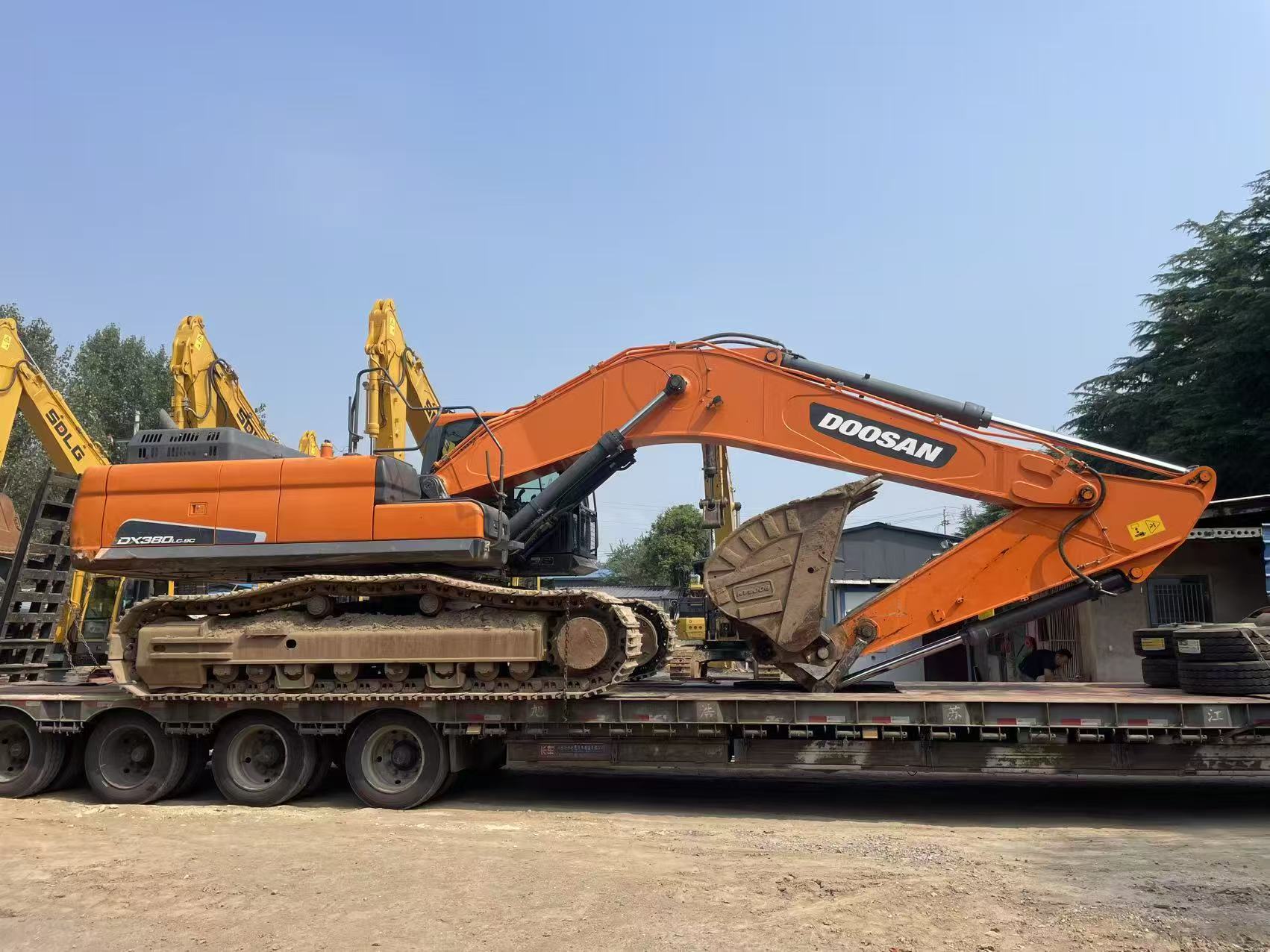
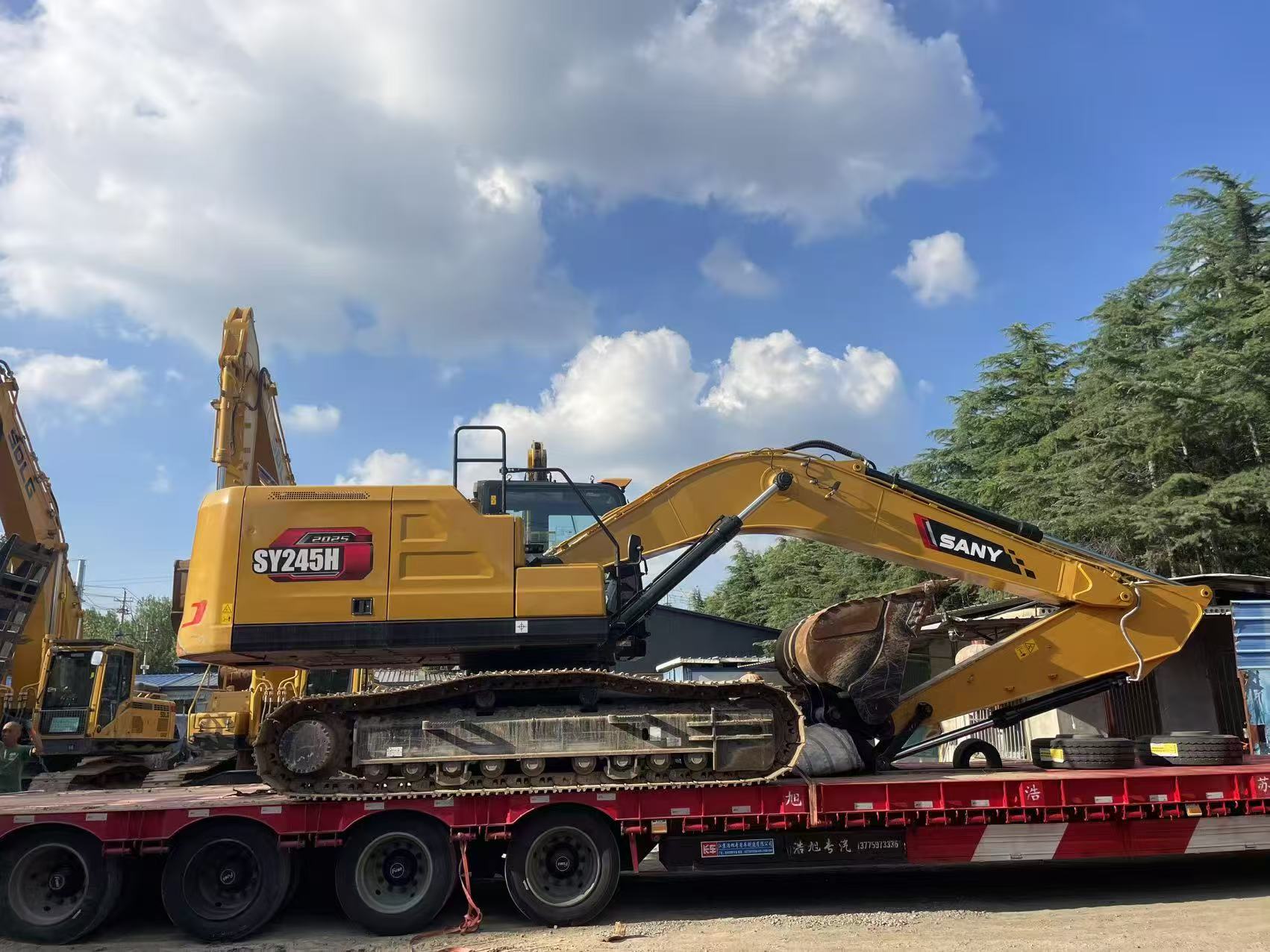
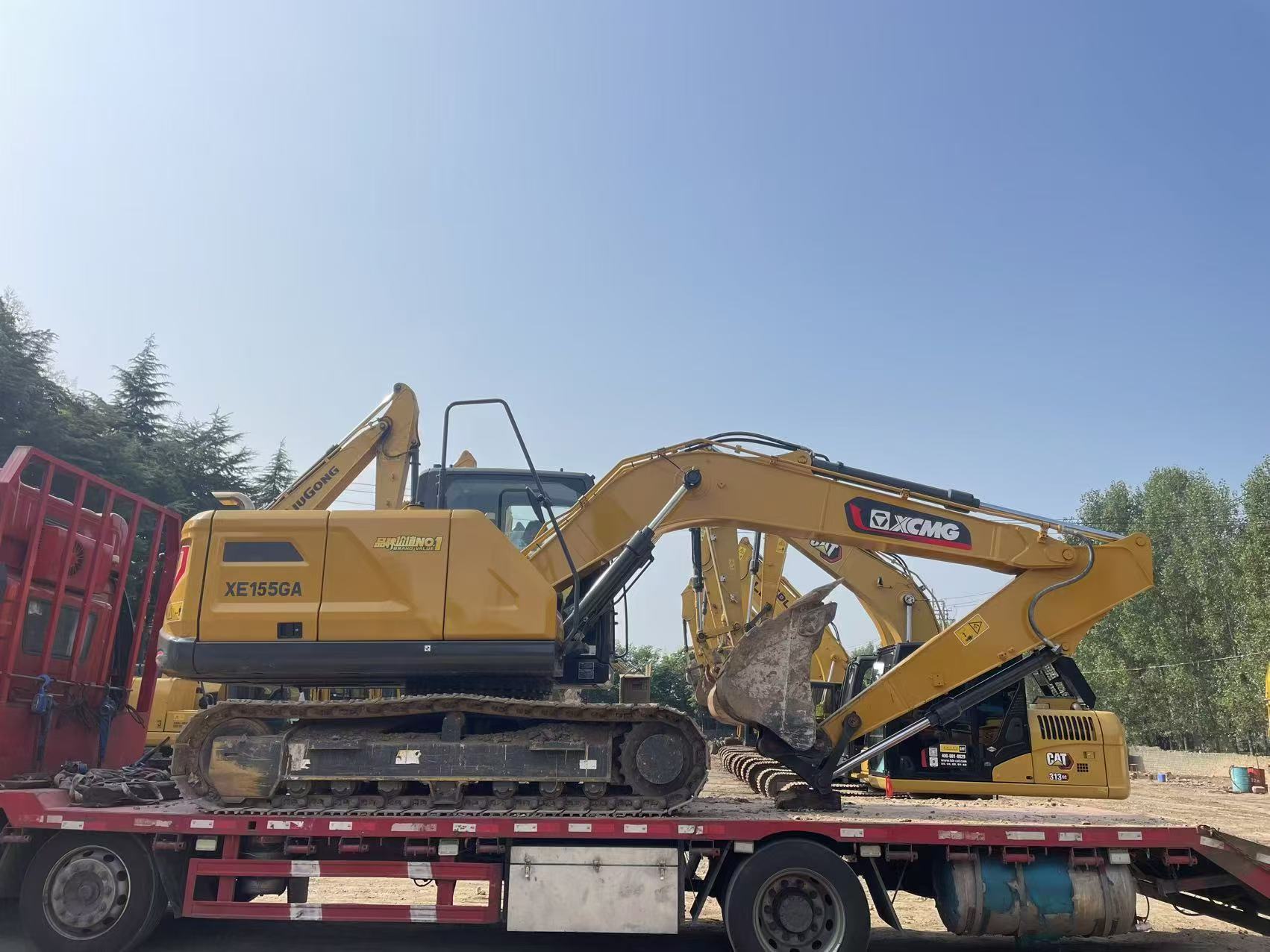
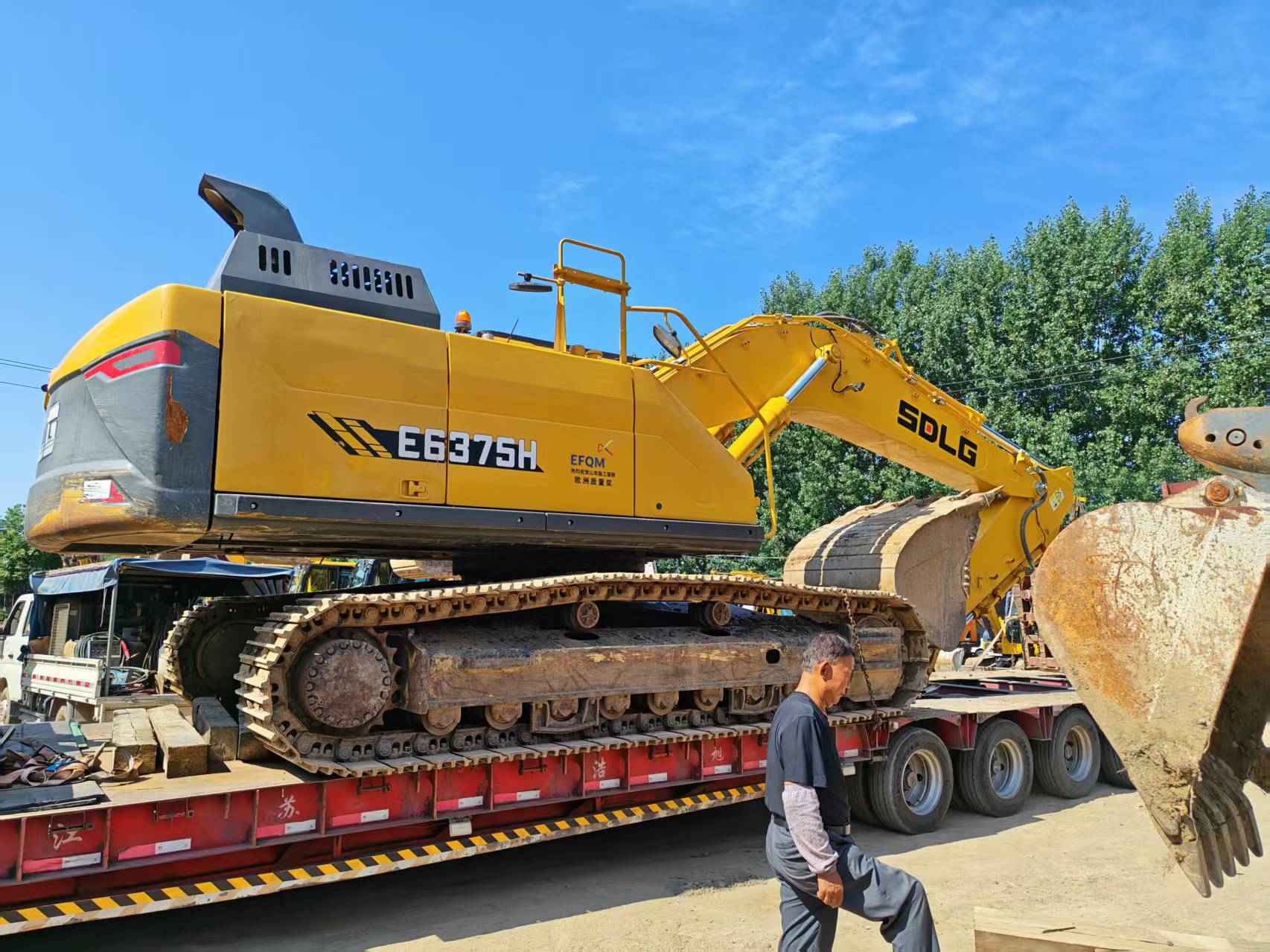
Our current large excavators do not fit intact in standard closed containers. We move them from the yard by low-bed trailer and normally book the international leg as breakbulk cargo. The exact port, vessel, lifting and lashing plan is confirmed for the selected inventory ID and destination.
These photographs record the inland yard-to-port stage. They are not container-loading photographs or proof of a specific vessel booking.
Buyer-side check before booking
Shipping FAQ
Ask early about total handling, disassembly, destination charges and documents—not only ocean freight.
Excavator freight changes with dimensions, weight, operability, port, route, carrier space, disassembly and market rates. A machine-specific quotation is more reliable than a generic website estimate.
There is no universal answer. Container loading may be efficient for some smaller machines, while Ro-Ro, flat rack or breakbulk can be more practical for larger units. Compare total preparation, port and destination costs, not ocean freight alone.
Yes. Send the inventory ID, destination country and preferred port. We can then confirm which routes and service scope are currently available.
Only when the selected loading method requires it and the scope is agreed. The quotation should identify major removed parts, packing and who is responsible for reassembly.
Responsibility depends on the agreed delivery term. Buyers should confirm import eligibility, duties, taxes, licenses and local standards with a destination customs broker before shipment.
Loading evidence can be requested. Exact coverage depends on safe access, port or yard rules and the parties responsible for loading.
Shipping consultation
Include an inventory ID or product link if you already selected a machine. Add your country and preferred port so we can review practical options.