Quick answer
Use the machine's full model and serial information to begin a parts inquiry, then identify the component actually installed. Request written confirmation of the proposed part number and fitment. Before buying the excavator, check that critical parts can be sourced and serviced where it will work.
Key takeaways
- Preserve the complete model designation, including suffixes and serial characters.
- Keep the seller's inventory ID separate from manufacturer identification.
- Record replacement engines, pumps and attachments against their own labels.
- Ask the supplier to explain substitutions and confirm fitment in writing.
- Compare parts availability, installation requirements and delivery terms alongside price.
1. Start with the complete machine identity
Save the listing URL and inventory ID, then request a readable photograph of the manufacturer's identification plate. Transcribe the model and serial information exactly, retaining prefixes, suffixes and leading zeros. Send the photograph with your transcription so a parts specialist can check unclear characters.
Caterpillar describes serial-number filtering and illustrated parts information in its online ordering tools. This supports starting a parts search with the individual machine's identity.
A shortened model name on a quotation is useful for discussion, but it should not become the only identifier in a repair order. Ask the seller to reconcile any difference between the listing and plate.
Sources for this section:[1]
2. Check the components that are fitted now
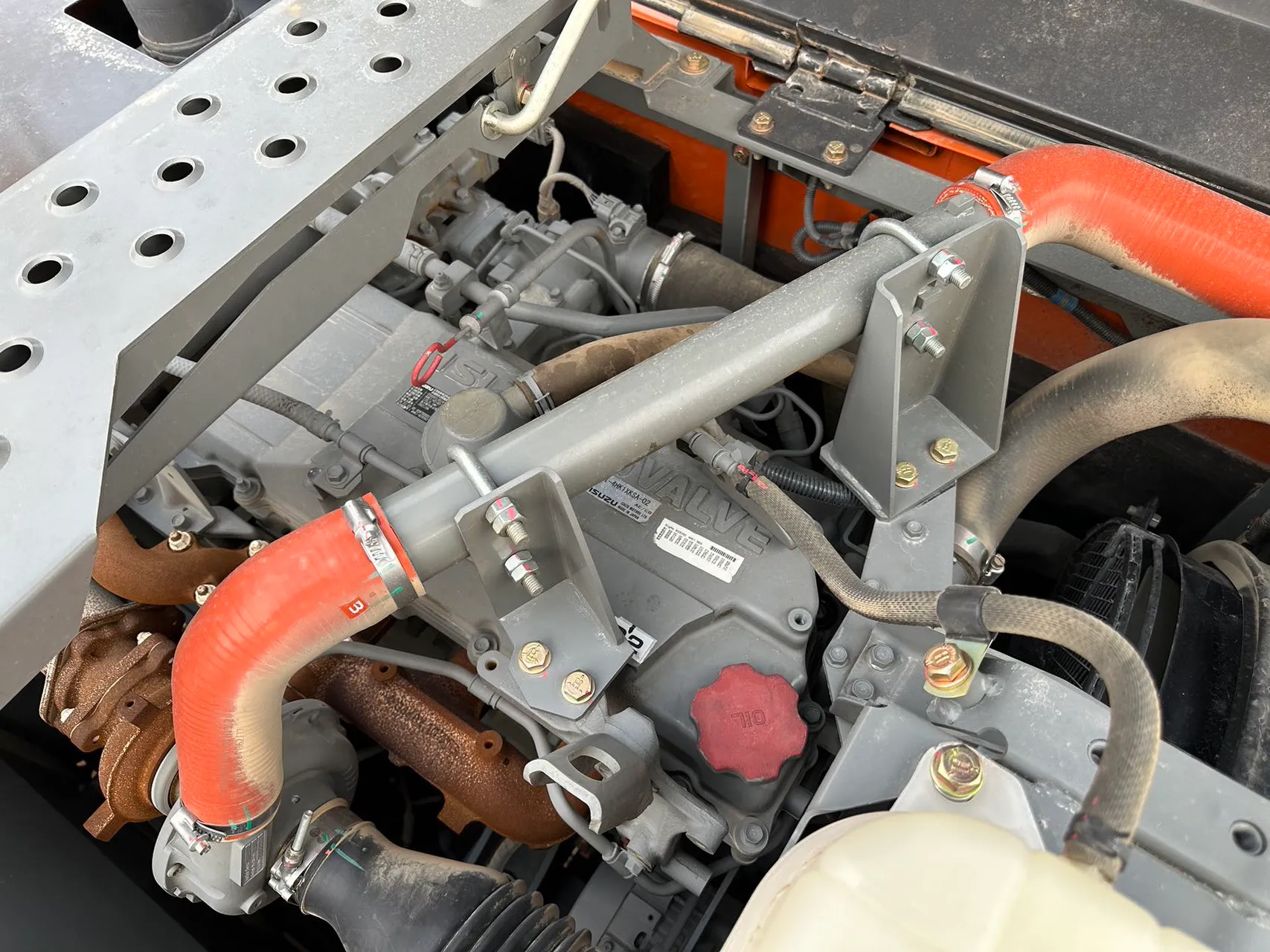
Ask whether the engine, hydraulic pump, travel motors or control equipment have been replaced. For a component relevant to your purchase decision, request its own label and installation photographs. Keep the machine serial information and component identification in separate fields so neither is mistaken for the other.
If a label is unreadable, ask what other identification a specialist requires. Do not choose a part from its shape alone. A replacement assembly, adaptation or attachment may require a different inquiry from the original machine configuration. Request repair records where available and have the parts supplier assess any mismatch before ordering.
3. Send a parts inquiry that can be answered
Make one request for each component or service task. State whether you need a complete assembly, a repair kit or an individual item. Include photographs of the installed item and the proposed work, without asking the seller to guess the cause of a fault from a brief message.
Use the following fields in your request. Measurements should be taken by someone competent to access the part safely. If removal or specialist identification is necessary, agree that work before it starts.
- Machine inventory ID, full model and serial-plate photograph
- Installed component maker, model and identification label
- Existing part number or catalogue illustration, if available
- Required quantity and complete assembly or kit scope
- Destination and the date the workshop needs the item
4. Compare what each parts offer actually covers
Ask each supplier to return the same identification details with its quotation. The table compares an incomplete offer with information useful for a buying decision; it does not describe an actual supplier or stock item. A lower price may cover a different assembly, omit installation items or carry different return terms.
| Comparison item | Model-only offer | Offer ready for review |
|---|---|---|
| Fitment basis | Fits this excavator model | Identifies machine and installed component checked |
| Supplied item | Pump or service kit | Part number, brand, condition and itemised contents |
| Replacement number | Equivalent part stated | Explains the replacement number and compatibility basis |
| Installation | No scope stated | Lists required fittings, setup and additional work |
| Delivery and returns | Dispatch promise only | Stock location, delivery terms and mismatch return procedure |
5. Check parts access before committing to the machine
Send the identification package to the workshop or parts supplier that would support the machine at its destination. Ask about the specific items that could delay your planned work. Confirm availability, order lead time, shipping responsibility and whether installation or diagnosis requires tools the workshop can access.
Volvo CE's parts request form asks for model, serial number and a description of the required parts, then directs the inquiry to a local dealer.
Keep that reply with the machine comparison. A brand's presence in your country is a starting point; a response about the exact configuration is more useful when choosing between used units.
Sources for this section:[2]
6. Preserve the confirmed information at handover
Before accepting a machine, ask for a final list of included spare parts and any components replaced during preparation. Match the list to labels, quantities and packaging photographs. If a substitution is proposed after inspection, request updated identification and fitment confirmation before approving it.
Create a machine file containing the listing, plate photographs, inspection findings, parts correspondence and final invoice. Share the relevant information with the receiving workshop. When contacting Plinton, include the inventory ID and the specific identity or parts question; this keeps the discussion attached to the machine you are considering.
Frequently asked questions
Is the seller's inventory ID the manufacturer's serial number?
They serve different purposes. The inventory ID identifies the seller's listing; manufacturer identification is used to check the machine configuration. Keep both in the inquiry.
Can I order an engine part using only the excavator model?
Start with the machine identity, but also provide the installed engine's label and requested part. Ask the parts specialist to confirm the match, especially where an engine has been replaced.
References
- Top Tips to Finding the Right Parts for Your Cat Machine ↗Caterpillar · Accessed 2026-09-12
- Parts Request ↗Volvo Construction Equipment · Accessed 2026-09-12
Editorial standard: Updated 2026-09-12. This guide separates general process guidance from machine-specific facts. Confirm the current inventory ID, machine evidence, inspection scope, carrier quotation and destination requirements before making a transaction decision. Read our editorial and verification standard.