Quick answer
Send me the machine link and the checks that matter to your job before arranging a video call. Start with identity, then walk around the same machine, see its controls and request a suitable operating demonstration. Keep a list of what was actually visible. A call helps you shortlist; measurements, diagnostics and inaccessible areas may still need a qualified inspector on site.
Key takeaways
- Keep the machine link beside your inspection notes.
- Agree the camera sequence before the call starts.
- Request original sound and readable close-ups.
- Record interruptions and checks that need another visit.
- Match the quotation to the machine you viewed.
1. Send a short brief before the call
Tell me your intended work, required attachment and the machine you are considering. Choose three priorities, such as cold starting, travel or clearance around the boom. Arrange a time when an operator and a separate camera person can be available safely. Ask whether the engine will be cold and whether the yard permits a useful demonstration. This preparation avoids spending the whole call on a general walkaround while the particular question that affects your purchase remains unanswered.
2. Follow one machine from its overview to its plate
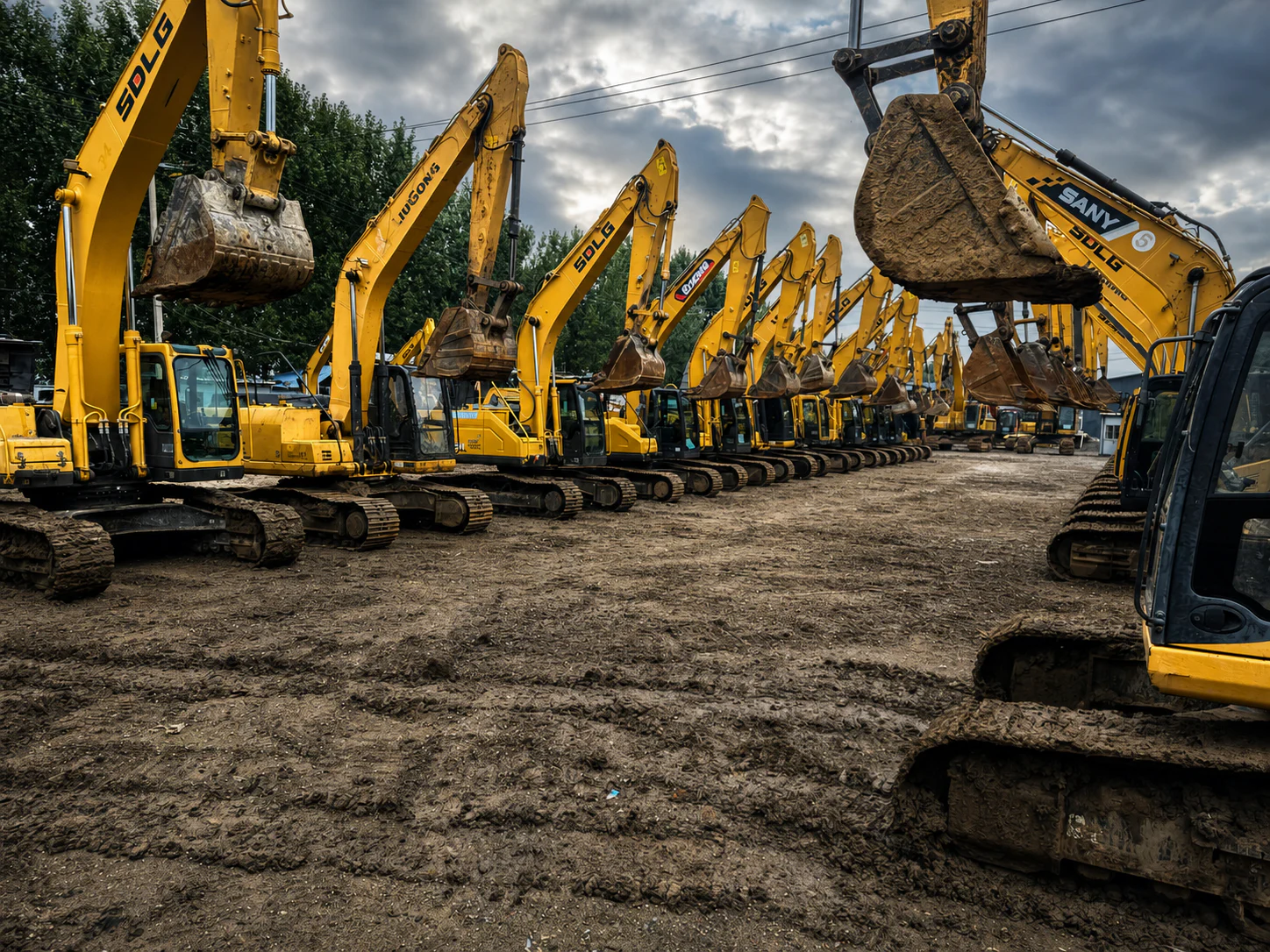
Begin with a wide view and a continuous walk toward the model and serial identification. Ask for still photographs when small text is unreadable through the connection. Move back to the wider view before changing sides. Keep the link, plate image and call date together in your notes. A stock number is our sales reference; the manufacturer's identification is a separate field. Neither should be replaced by a similar-looking machine elsewhere in the yard.
3. Separate the walkaround from the operating demonstration
Ask to see both tracks, accessible hydraulic lines, attachment connections, cab and visible damage before movement begins. The camera person should stay clear of the machine's working area. A structured inspection includes more than appearance: Caterpillar describes both visual and operational checks in its own used-equipment programme. That is a useful distinction when setting your brief; it does not give our machines that programme's certification.
Sources for this section:[1]
4. Describe observations instead of giving a remote diagnosis
Write specific observations: a wet area at a hose connection, a warning light that remained on, or a function that could not be shown. Keep original audio where possible and ask for a separate close-up afterwards. A connection delay can look like jerky movement, so repeat an unclear view before drawing a conclusion. Volvo's buyer guidance also treats individual wear components as inspection items. Ask a technician to identify the cause and repair scope of an observed symptom.
Sources for this section:[2]
5. Turn unanswered questions into an inspection brief
After the call, divide your notes into visible facts, documents still needed and tests requiring instruments or physical access. If the purchase depends on hydraulic performance, structural integrity or a disputed reading, arrange qualified inspection of that exact machine. Agree the scope, fee and access beforehand. A smooth video presentation is not a warranty, and an area omitted from the call has not been checked simply because the rest of the machine looked tidy.
6. Send me one clear follow-up message
Use a concise request that we can answer against the same machine: its link, the date of the call, the unanswered issue and the evidence you need next. Attach your inspector's list if you have one. Before accepting a quote, confirm that attachments and any agreed work match what you viewed. Keep the latest written confirmation with the call notes so your buying team and receiving team work from the same description.
References
- Certified Used Inspection ↗Caterpillar · Accessed 2026-10-28
- Buying a used excavator: 10 things to look out for ↗Volvo Construction Equipment · Accessed 2026-10-28
Editorial standard: Updated 2026-10-28. This guide separates general process guidance from machine-specific facts. Confirm the current inventory ID, machine evidence, inspection scope, carrier quotation and destination requirements before making a transaction decision. Read our editorial and verification standard.